
The Sweetsop Chronicles: 7 Sugar Apple Recipes From 7 Islands
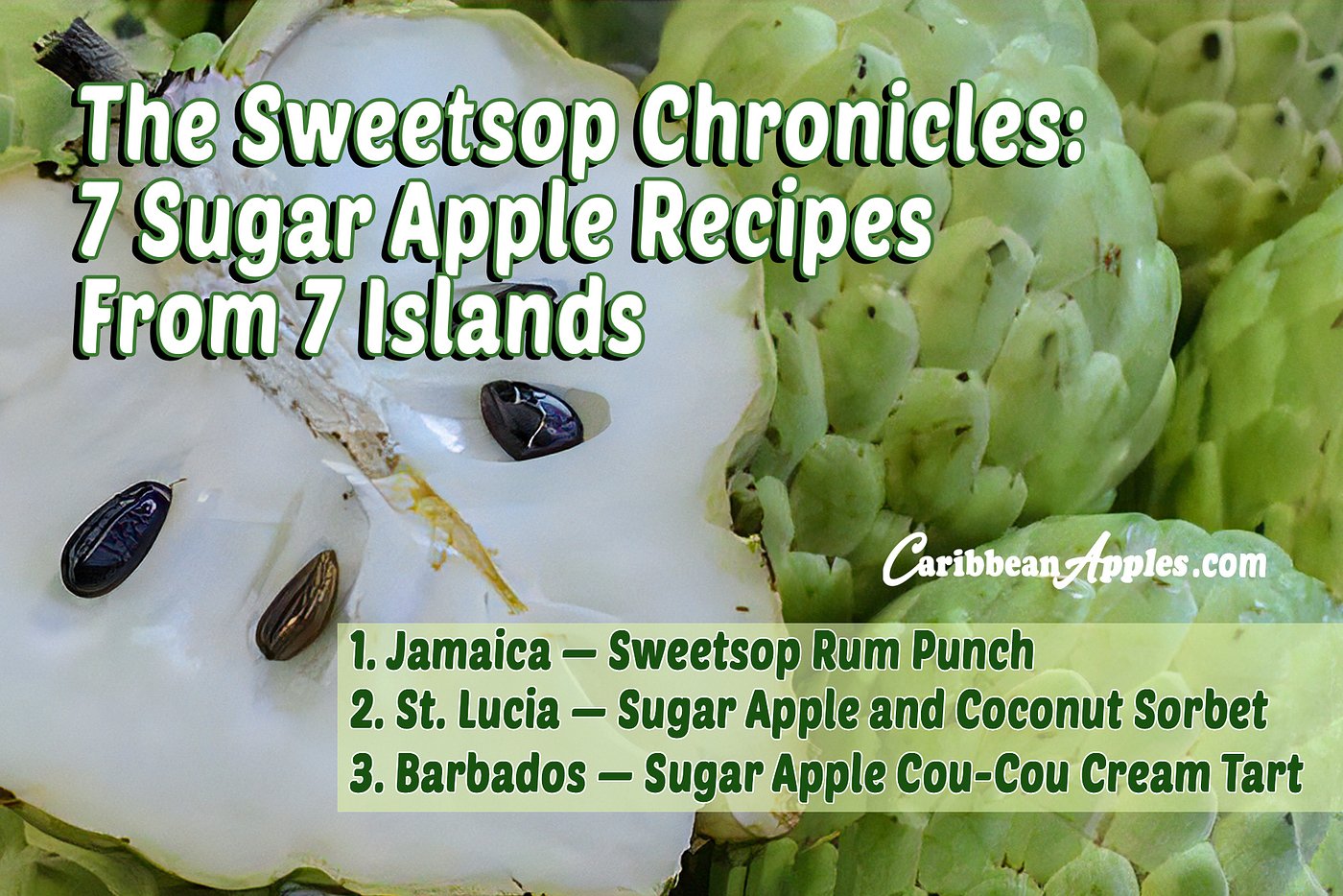
The Sweetsop Chronicles: 7 Sugar Apple Recipes From 7 Islands
Which fruit gets the least credit for how much joy it brings? Every time: the sugar apple. Mango gets the postcards. Passion fruit gets the cocktails. But the sugar apple — quiet, lumpy, unassuming in a paper bag at the market — is the one that stops conversation at the table. You break it open, and everybody leans in.
So let’s get into what’s to know about this fruit, where it came from, what to call it depending on which island you're standing on, what it tastes like if you've never had one, what it's doing for your body while it's doing all that for your tongue, and then — seven recipes from six different island kitchens.
Where the Sugar Apple Comes From
The sugar apple, botanically Annona squamosa, didn't start in the Caribbean. It's originally from the tropical Americas — most botanists point to the Caribbean basin and parts of Central America as its likely home, though its exact origin is genuinely debated, with some evidence suggesting an even wider native range across tropical America. What we do know is that it moved early and it moved fast. Spanish and Portuguese traders carried it across the Atlantic and Pacific centuries ago, and it took root not just here but in India, Southeast Asia, and parts of Africa, where today it's grown and eaten just as enthusiastically as it is on a Sunday afternoon in Kingston or Castries.
In the Caribbean specifically, the sugar apple settled into the dooryard garden tradition — the tree that grows behind the house, not in some commercial grove, tended by grandmothers who never wrote down a recipe because they didn't need to. It became a fruit you associate with a particular yard, a particular season, a particular person who always seemed to have one ready right when needed. That's still true today. You're far more likely to be handed a sugar apple by someone's Aunty than to buy one shrink-wrapped in a supermarket.
What You Might Hear It Called
Here's where it gets fun, because the sugar apple has almost as many names as islands it grows on:
- Jamaica — "sweetsop" is the name you'll hear most, distinguishing it from its cousin the soursop
- Trinidad & Tobago — also "sugar apple" or "sweetsop," though older folks may call it by its Spanish-influenced roots given the island's history
- The wider Spanish-speaking Caribbean (Cuba, Dominican Republic, Puerto Rico) — "anón" or "anón blanco"
- Haiti — "cachiman" or "kachiman"
- French Caribbean islands (Martinique, Guadeloupe) — "pomme cannelle" (literally "cinnamon apple," for its scaly, segmented look)
- India — "sitaphal" or "custard apple" (though technically "custard apple" more precisely refers to a close relative, Annona reticulata — the names get used loosely and interchangeably in a lot of places)
- Bahamas — "sugar apple" is the standard, plain and simple
Ask for it in the market by whatever name your island uses, and if a vendor looks at you funny, just point. It's unmistakable once you've seen one.
What It Looks, Feels, and Tastes Like
If you've never had one, imagine a small, heart-shaped fruit, pale green and covered in these soft, knobby segments that look almost like a pinecone or a loose collection of little scales — that scaly look is exactly why the French call it "cinnamon apple." You don't cut a sugar apple with a knife. You use your thumbs. Press gently along the natural seams and it splits open, revealing custardy white flesh in segments, each one hiding a shiny black seed (which you don't eat — spit those out or strain them if you're blending).
The texture is the whole event. It's soft, granular, almost like a very ripe pear crossed with a rich, chilled custard — not watery like a mango, not fibrous like a jackfruit. It practically dissolves.
The taste is pure sweetness with a tropical, almost floral edge — somewhere between pear, vanilla custard, and a hint of pineapple. There's no sharp acidity to cut it, which is exactly why it works so beautifully blended into drinks and desserts: it brings the sugar and the body, and you build everything else around it.
Nutrition: What the Sugar Apple Is Doing for You
Per roughly 100 grams of sugar apple pulp, you're looking at approximately:
- Calories: ~94–101 kcal
- Carbohydrates: ~23–25 g
- Dietary Fiber: ~2.4–4.4 g
- Protein: ~2.1 g
- Vitamin C: ~19–36 mg (a solid chunk of your daily needs)
- Potassium: ~247 mg
- Magnesium: ~18 mg
- Vitamin B6: notable amounts, supporting energy metabolism
- Antioxidants: rich in flavonoids and other plant compounds associated with anti-inflammatory benefits
It's naturally fat-free and cholesterol-free, and the fiber content means it's not just empty sugar — it's a fruit that fills you up a little, steadies you, and gives you a genuine nutrient return for how sweet it tastes. Note that nutritional values can vary somewhat depending on ripeness, growing conditions, and the specific source consulted — think of these as a reliable general range rather than an exact figure.
Seven Recipes, Six Islands
Now for the reason you're really here. The seven sugar apple recipes — drinks, a shake, and desserts — representing the flavor personalities of six different island kitchens. Handle your seeds with care while you're prepping (they're not for eating), and always use fully ripe, slightly soft fruit — a hard sugar apple won't give you the sweetness or the texture you want.
1. Jamaica — Sweetsop Rum Punch
A classic Jamaican rum punch, given body and sweetness by fresh sweetsop instead of the usual straight sugar syrup.
Ingredients
- 1 large ripe sweetsop (sugar apple), flesh removed from seeds
- 2 oz Jamaican white overproof rum
- 1 oz fresh lime juice
- 1 oz fresh orange juice
- 1/2 oz grenadine
- A pinch of grated nutmeg
- Ice
Directions
- Push the sweetsop flesh through a fine sieve or blend briefly and strain to remove the seeds, keeping the smooth pulp.
- In a shaker, combine the sweetsop pulp, rum, lime juice, orange juice, and grenadine.
- Shake hard with ice for about 15 seconds.
- Strain into a glass filled with fresh ice.
- Grate a little nutmeg over the top before serving. Remember the old rhyme — one of sour, two of sweet, three of strong, four of weak — this punch leans into that same balance with the sweetsop doing double duty as your "sweet."
2. St. Lucia — Sugar Apple and Coconut Sorbet
St. Lucia's love of coconut meets the custardy sweetness of the sugar apple in this simple, no-churn frozen dessert.
Ingredients
- 2 ripe sugar apples, flesh removed from seeds
- 1 cup full-fat coconut milk, chilled
- 2 tbsp condensed milk (adjust to taste)
- 1 tbsp fresh lime juice
- Pinch of salt
Directions
- Push the sugar apple flesh through a sieve to remove seeds, collecting the smooth pulp.
- Blend the pulp with the coconut milk, condensed milk, lime juice, and salt until completely smooth.
- Pour into a shallow, freezer-safe container.
- Freeze for 1 hour, then remove and stir vigorously with a fork to break up ice crystals.
- Repeat the stir every 45 minutes for about 3 hours total, until you have a smooth, scoopable sorbet.
- Serve in small bowls, with a little extra grated coconut on top if you like.
3. Barbados — Sugar Apple Cou-Cou Cream Tart
Bajan desserts often lean into local pastry traditions with a tropical filling — this tart takes that same spirit and builds a rich sugar apple custard filling into a simple shortcrust shell.
Ingredients For the crust:
- 1 1/4 cups all-purpose flour
- 1/2 cup cold butter, cubed
- 2 tbsp sugar
- Pinch of salt
- 3–4 tbsp ice water
For the filling:
- 3 ripe sugar apples, flesh removed from seeds
- 3 egg yolks
- 1/2 cup sweetened condensed milk
- 1 tbsp lime juice
- 1/2 tsp vanilla extract
Directions
- Make the crust: rub the butter into the flour, sugar, and salt until crumbly. Add ice water a tablespoon at a time until it comes together into a dough. Chill for 30 minutes.
- Roll out the dough, press it into a tart pan, prick the base with a fork, and blind-bake at 375°F (190°C) for about 15 minutes until lightly golden.
- While the crust bakes, push the sugar apple flesh through a sieve to remove the seeds.
- Whisk together the sugar apple pulp, egg yolks, condensed milk, lime juice, and vanilla until smooth.
- Pour the filling into the pre-baked crust.
- Bake at 325°F (160°C) for 20–25 minutes, until the filling is just set with a slight wobble in the center.
- Cool completely, then chill for at least 2 hours before slicing.
4. St. Vincent & the Grenadines — Sugar Apple and Soursop Leaf Tea Cooler
A refreshing cooler that pairs sugar apple with the bush-tea tradition Vincentians know well, using soursop leaves (widely available dried or fresh) for a fragrant, calming base.
Ingredients
- 2 ripe sugar apples, flesh removed from seeds
- 4 cups water
- 6–8 fresh or dried soursop leaves
- 3 tbsp brown sugar or honey, to taste
- Juice of 1 lime
- Ice
Directions
- Bring the water to a boil, then add the soursop leaves. Reduce heat and simmer gently for 10 minutes.
- Remove from heat, cover, and let steep for another 10 minutes. Strain out the leaves and let the tea cool to room temperature.
- Push the sugar apple flesh through a sieve to remove seeds.
- Blend the sugar apple pulp with the cooled tea, sweetener, and lime juice until smooth.
- Chill thoroughly, then pour over ice to serve.
5. Grenada — Spiced Sugar Apple and Nutmeg Shake
Grenada is the Isle of Spice, so no sugar apple recipe from this island would be complete without nutmeg and a little cinnamon warmth.
Ingredients
- 2 ripe sugar apples, flesh removed from seeds
- 1 cup chilled whole milk (or coconut milk for a dairy-free version)
- 1 small ripe banana
- 1/4 tsp freshly grated nutmeg, plus extra for garnish
- 1/4 tsp ground cinnamon
- 1 tbsp honey or sugar, to taste
- Ice cubes
Directions
- Push the sugar apple flesh through a sieve to remove the black seeds.
- Add the strained pulp, milk, banana, nutmeg, cinnamon, and sweetener to a blender.
- Blend until completely smooth and creamy.
- Add a handful of ice and blend again until thick and frosty.
- Pour into glasses and finish with a light dusting of fresh nutmeg on top.
6. Trinidad — Sugar Apple Sno-Cone Syrup
Trinidad's street-corner sno-cone culture gets a local upgrade with a homemade sugar apple syrup poured over shaved ice.
Ingredients
- 3 ripe sugar apples, flesh removed from seeds
- 1 cup water
- 3/4 cup granulated sugar
- 1 tbsp lime juice
- Shaved or crushed ice, to serve
- Condensed milk, for drizzling (optional but traditional)
Directions
- Push the sugar apple flesh through a sieve to remove seeds, collecting the pulp.
- In a small saucepan, combine the water and sugar. Bring to a simmer, stirring until the sugar dissolves completely.
- Stir in the sugar apple pulp and lime juice, and simmer gently for 5 minutes.
- Remove from heat and let cool, then blend briefly for a fully smooth syrup if you like it silkier.
- Chill the syrup thoroughly.
- To serve, pack shaved ice into a cup, pour the sugar apple syrup generously over the top, and finish with a drizzle of condensed milk.
7. Tobago — Sugar Apple Rum Cream Liqueur
To close things out, a rich, sippable liqueur from Trinidad's sister isle, Tobago — inspired by the island's love of homemade rum creams served at Christmas and special occasions.
Ingredients
- 2 ripe sugar apples, flesh removed from seeds
- 1 cup evaporated milk
- 1/2 cup sweetened condensed milk
- 1 cup Trinidadian or Tobagonian dark rum
- 1/2 tsp vanilla extract
- 1/4 tsp ground cinnamon
- Pinch of ground cloves
Directions
- Push the sugar apple flesh through a sieve to remove the seeds, collecting the smooth pulp.
- In a blender, combine the sugar apple pulp, evaporated milk, condensed milk, rum, vanilla, cinnamon, and cloves.
- Blend until fully smooth and well combined.
- Pour into a clean glass bottle and refrigerate.
- Shake well before serving over ice, or sip neat in small glasses. Keeps refrigerated for up to a week.
A Last Word from the Kitchen Table
The sugar apple never asks for much. It doesn't need a long ingredient list or a complicated technique to shine — it just needs a steady hand around those seeds and someone willing to slow down enough to appreciate it. Whether you're sipping it in a Jamaican rum punch or spooning it out of a St. Lucian sorbet, you're tasting something that's been part of Caribbean yards and kitchens for generations.
Go find a ripe one. Crack it open with your thumbs. And then get cooking.
CaribbeanApples.com
Become a member: Get monthly Caribbean recipes, drops & discounts — free
Kitchen Table
Free
- 10% OFF any 'THE MIGHTY BREADFRUIT' prints
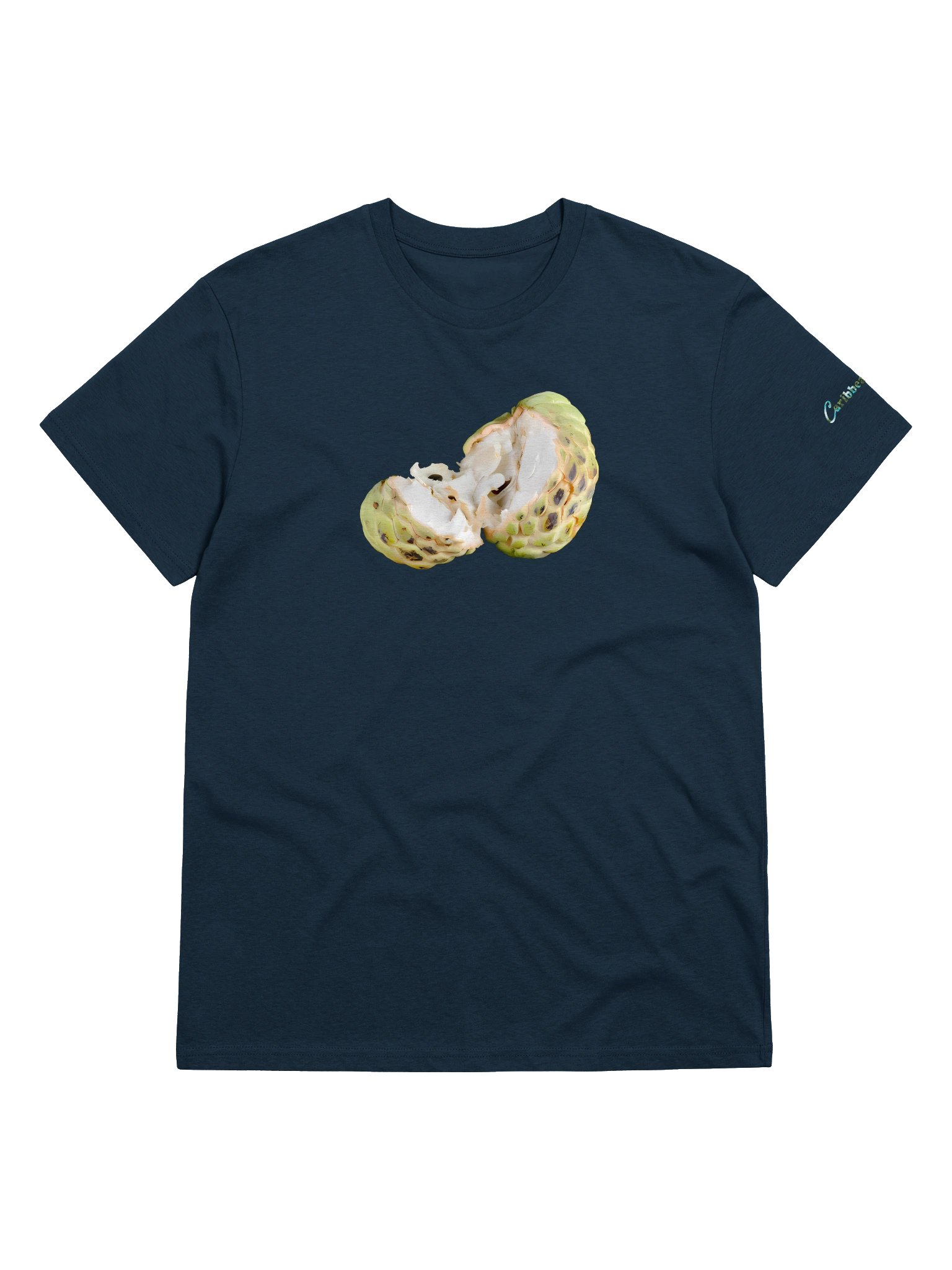
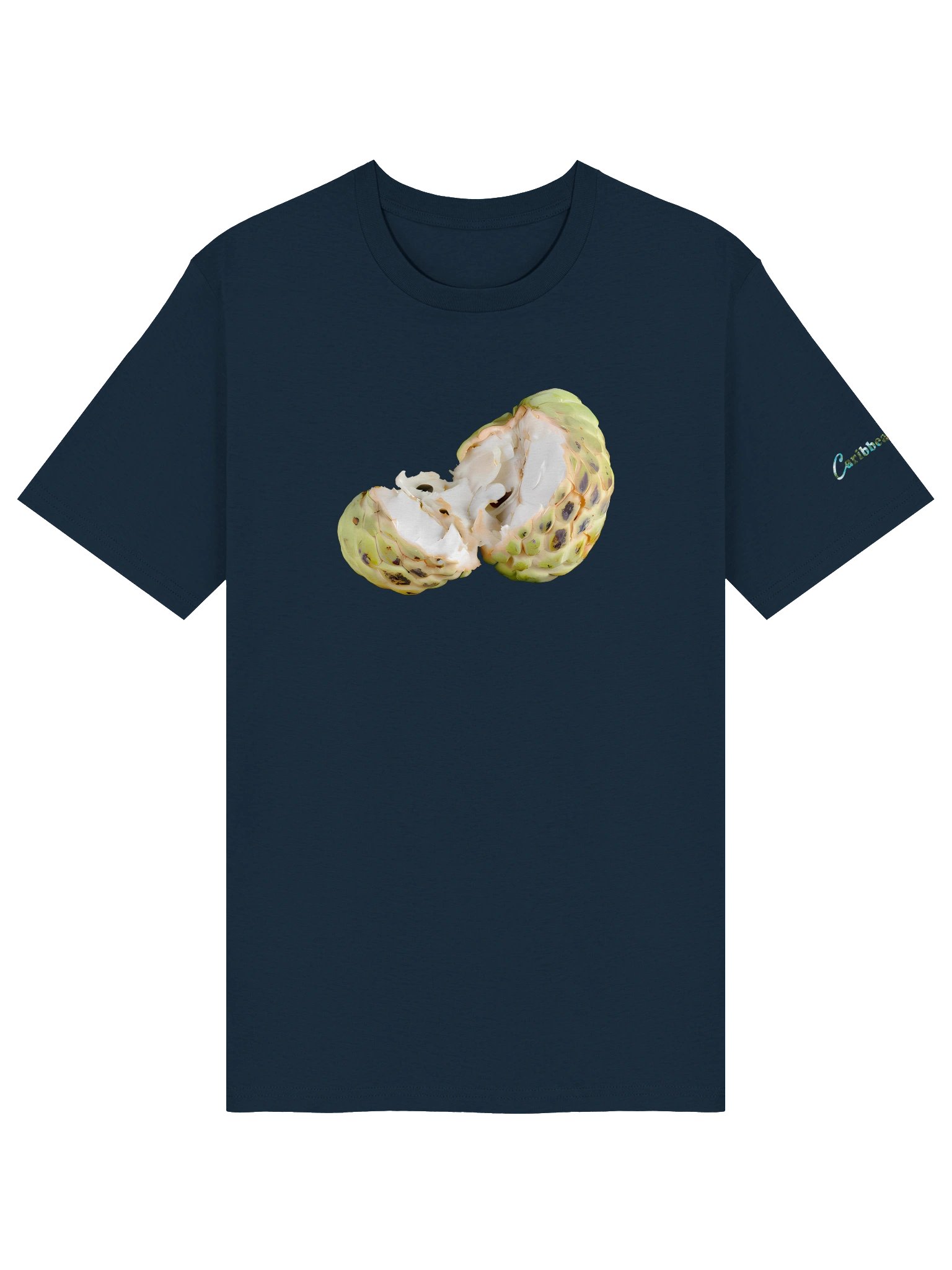
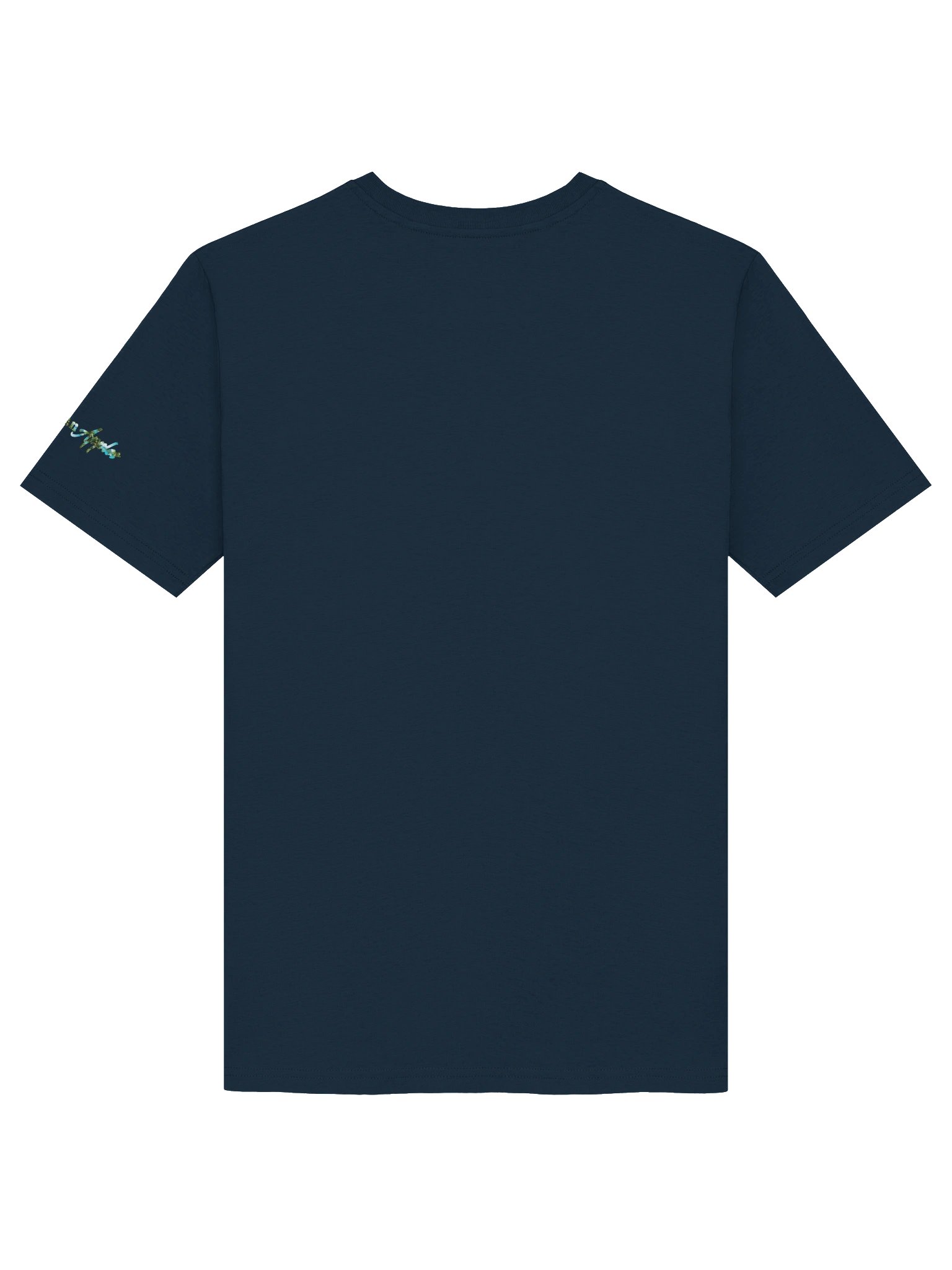
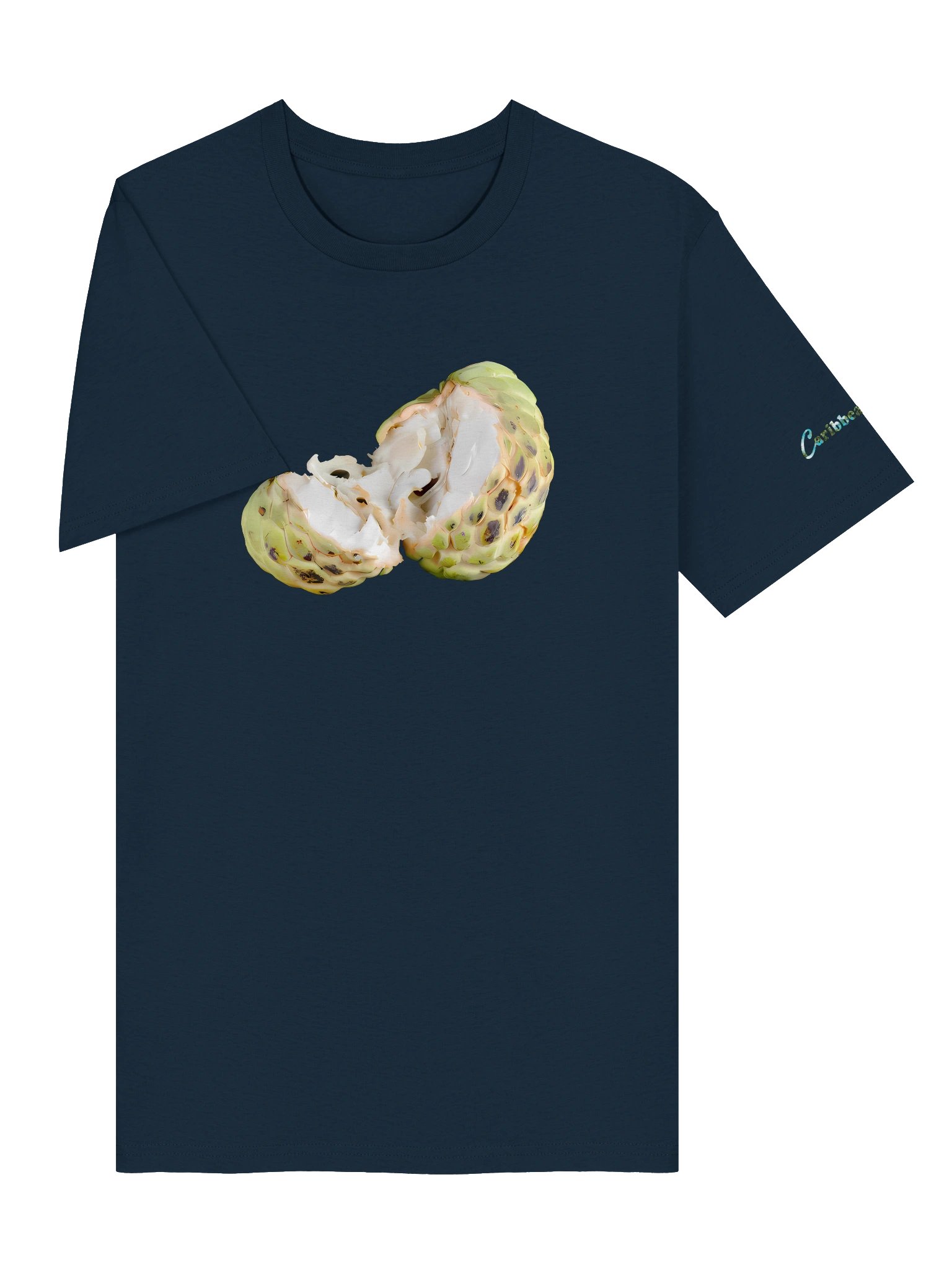
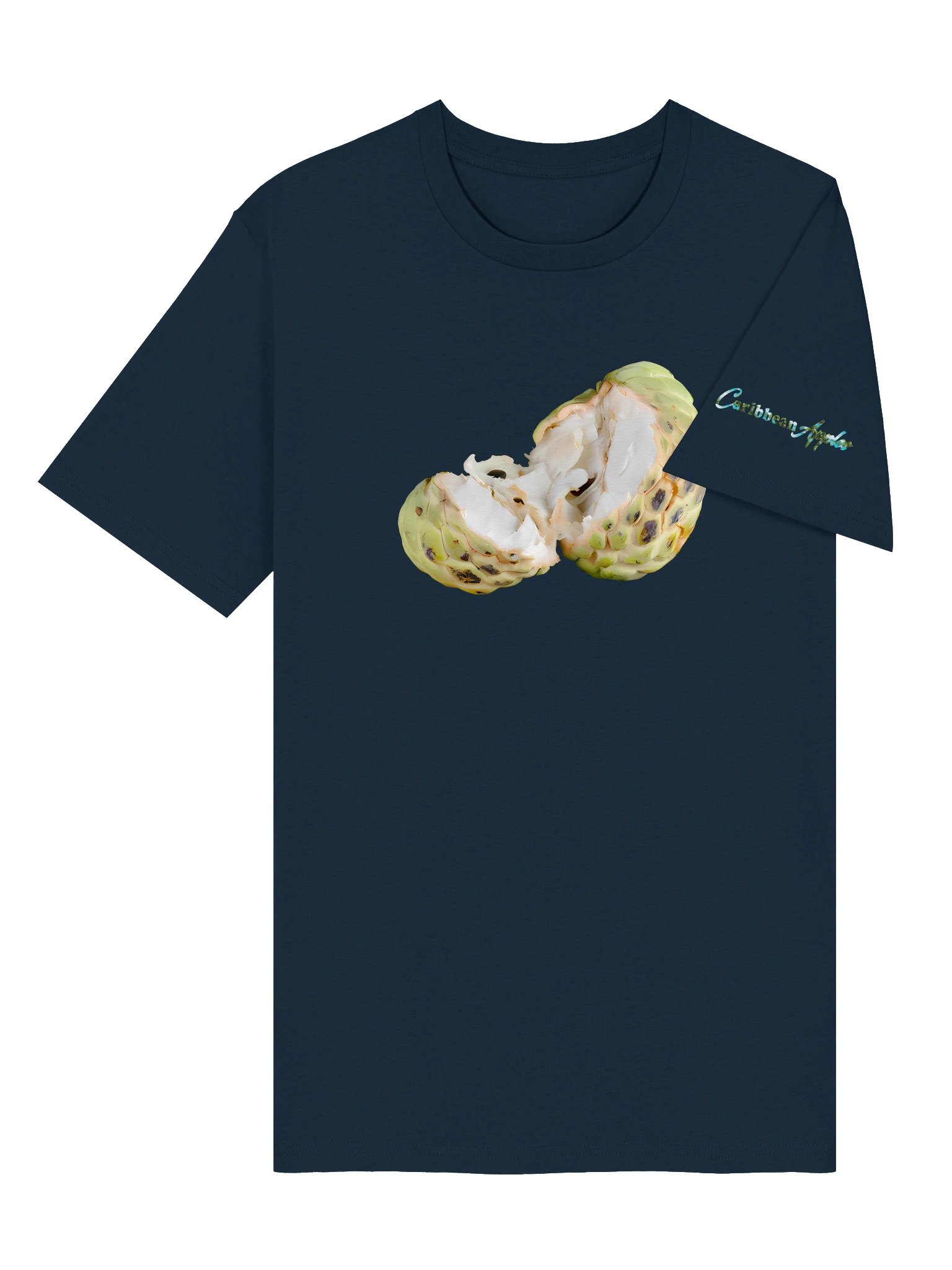
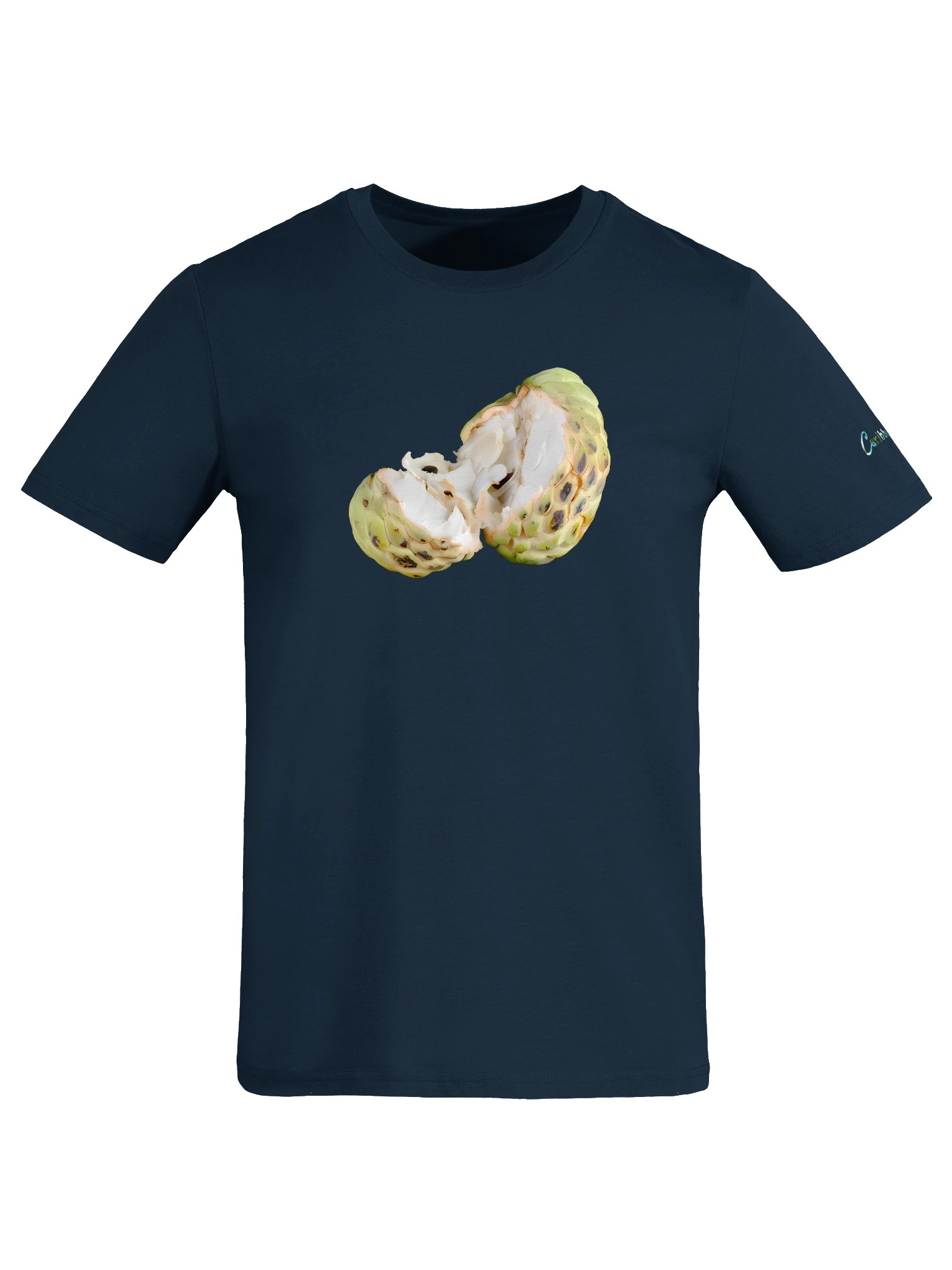
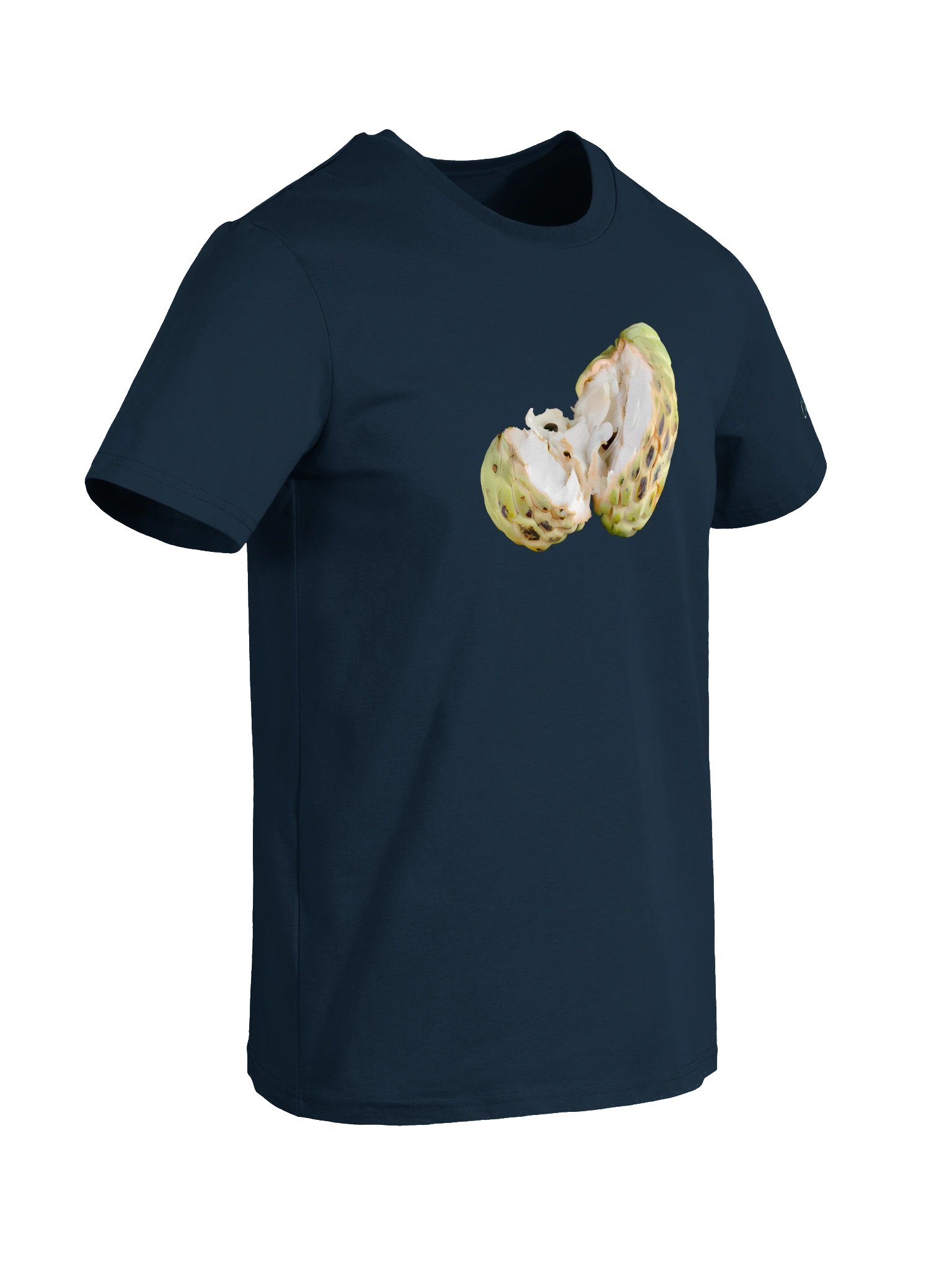
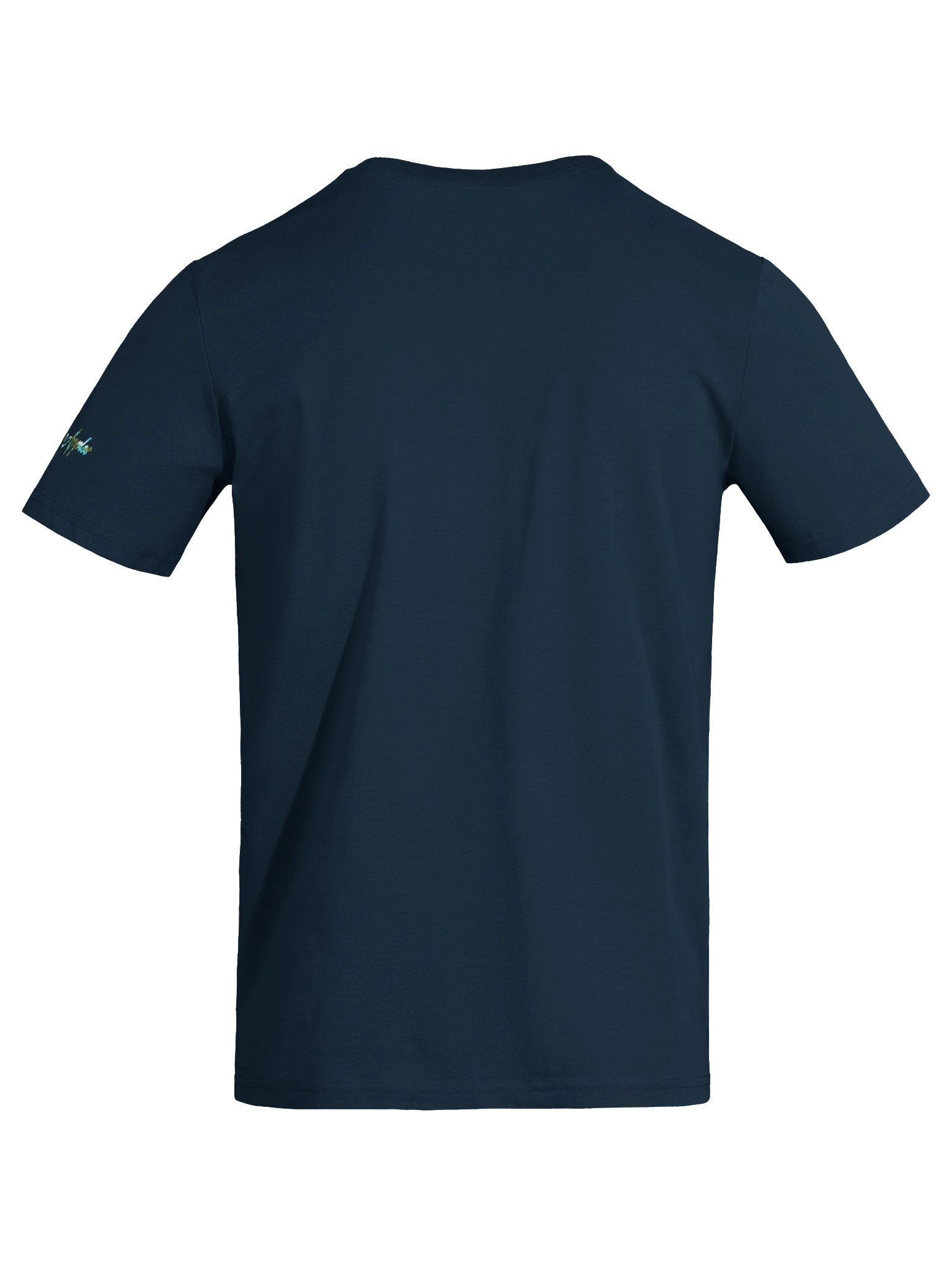
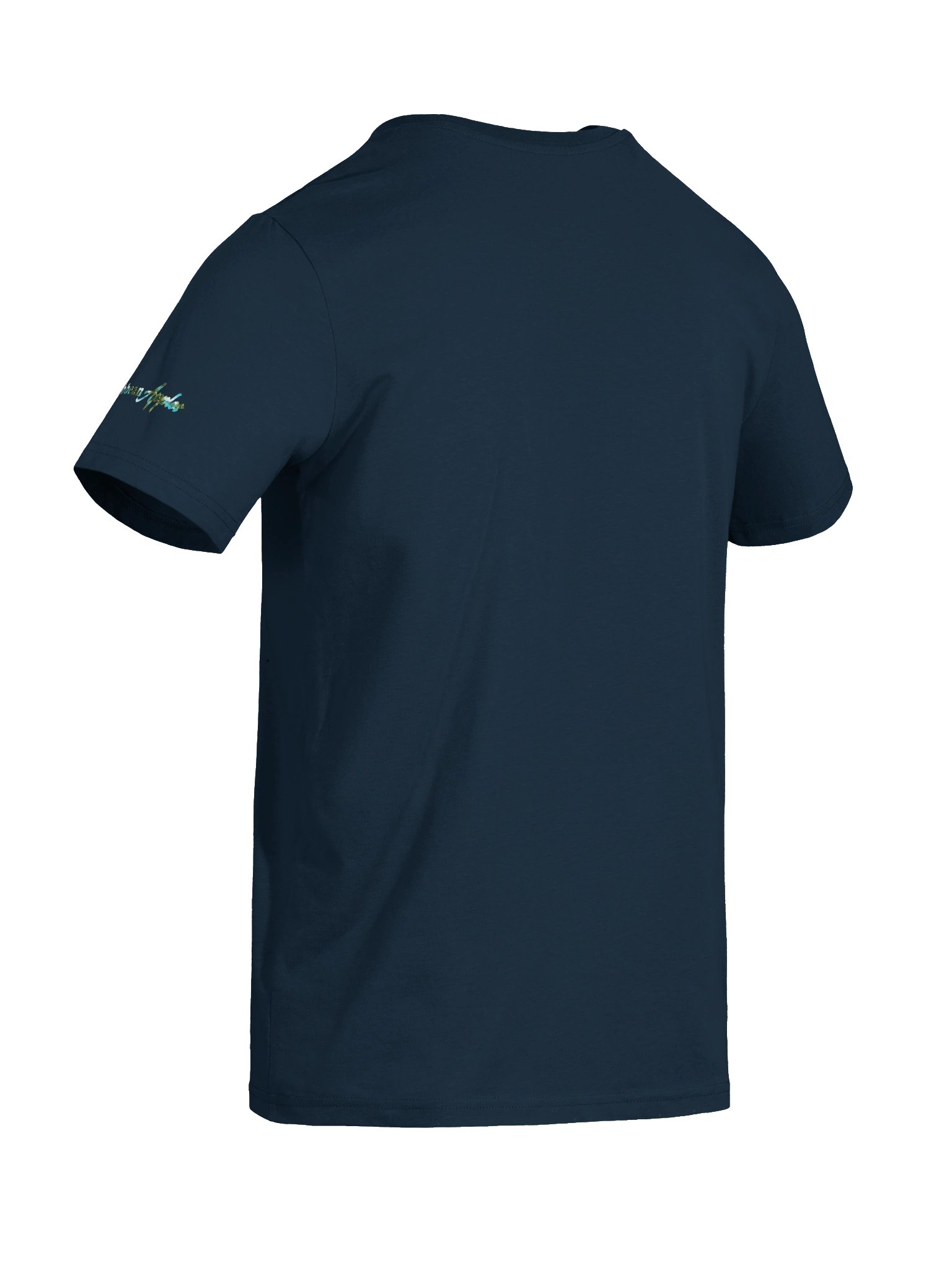
Caribbean Apples - Sugar Apple West Indies - Minimal - Organic Cotton T-Shirt
CaribbeanApples.com Exclusive
Sugar Apple West Indies - Minimal
Organic Cotton T-Shirt
A high-quality t-shirt made from soft, organic cotton. Great for eco-conscious shoppers.
100% organic ring-spun cotton
Midweight fabric (5.3 oz)
Regular fit
Unisex sizing
The model is 5'11'' and is wearing a size M.
Caribbean Apples - Sugar Apple West Indies - Minimal - Organic Cotton T-Shirt Size Guide

| Size label | Length | Width | Sleeve length |
|---|---|---|---|
|
S
|
27.17
|
19.49
|
8.86
|
|
M
|
28.74
|
216
|
9.45
|
|
L
|
29.53
|
22.24
|
9.65
|
|
XL
|
30.31
|
23.43
|
9.84
|
|
2XL
|
31.1
|
25
|
104
|
|
3XL
|
31.89
|
26.57
|
10.24
|
|
4XL
|
32.68
|
28.54
|
10.24
|
|
5XL
|
337
|
30.51
|
10.24
|