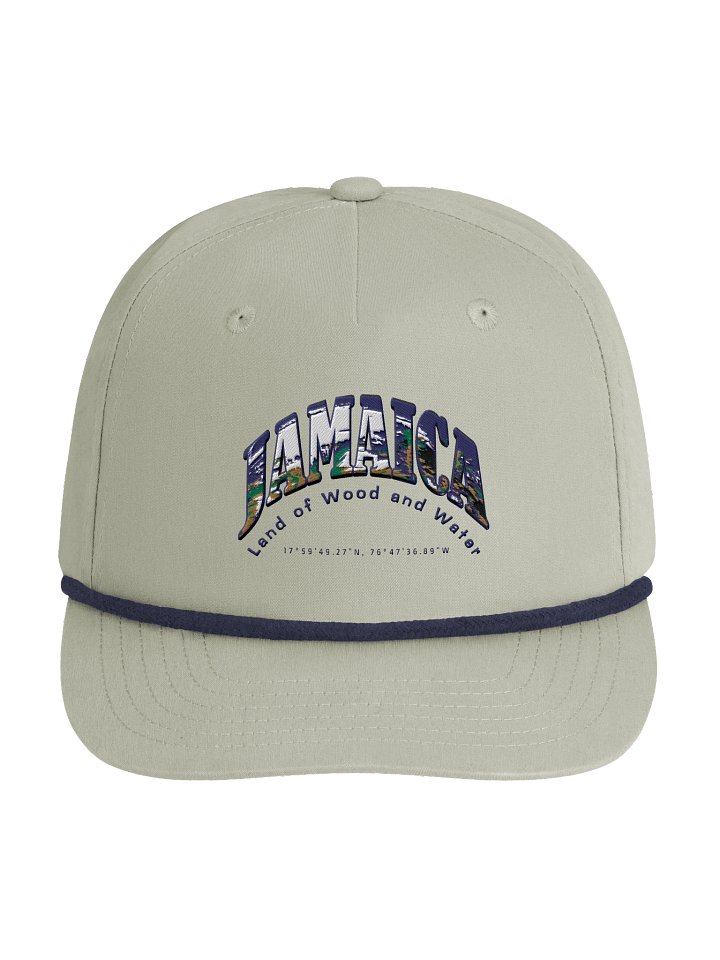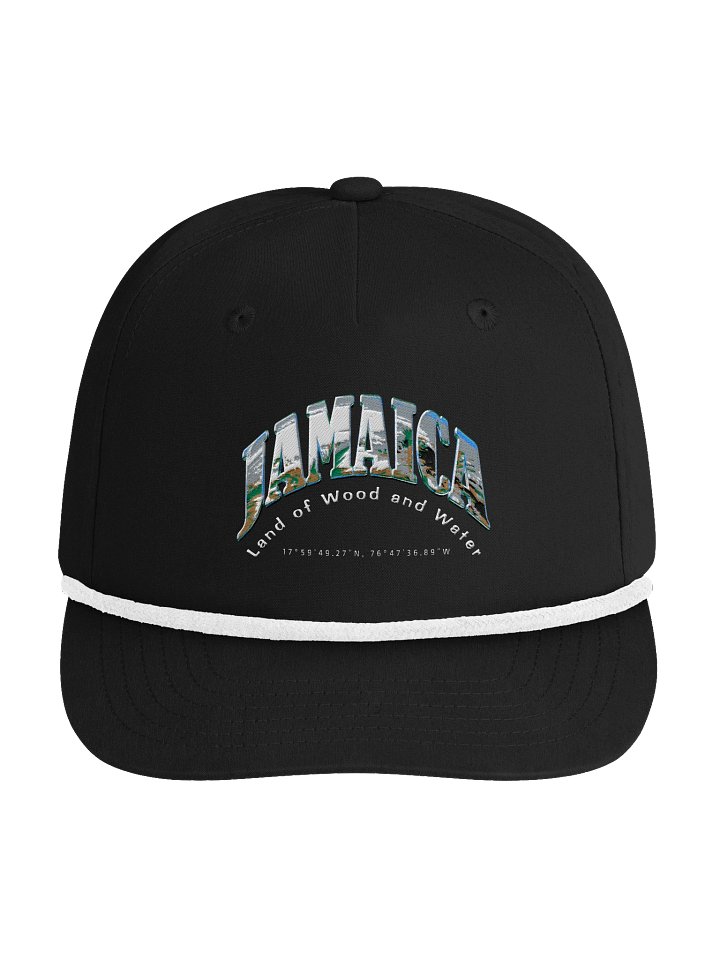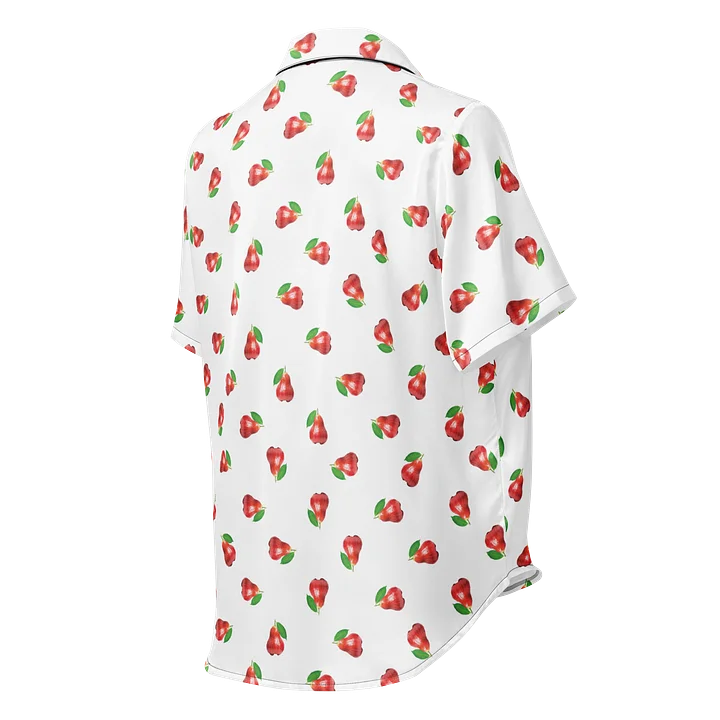
Jamaica
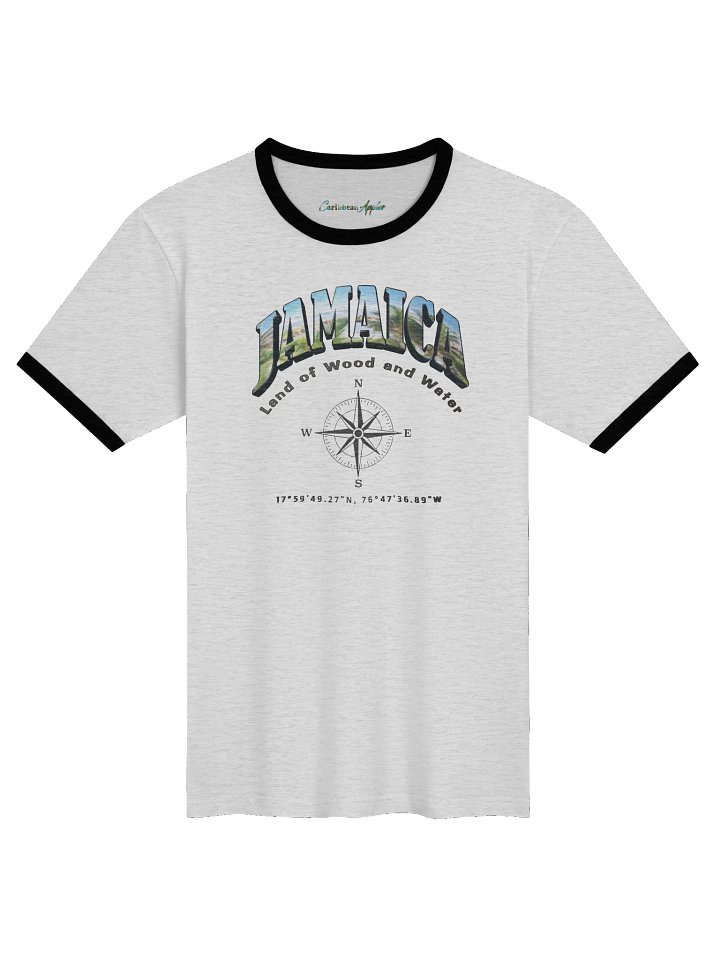
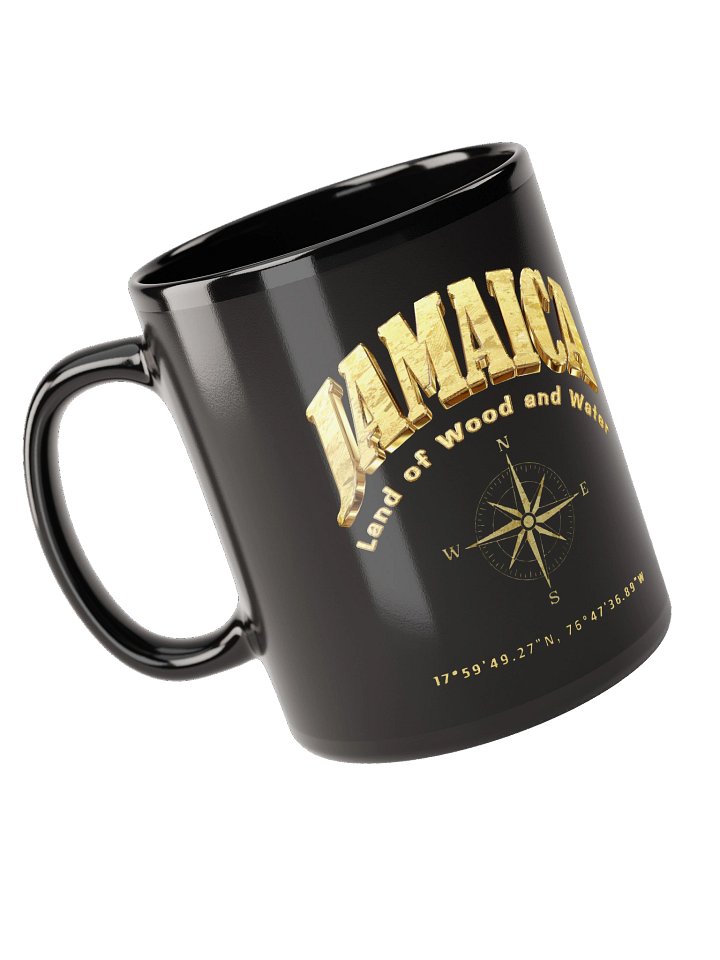
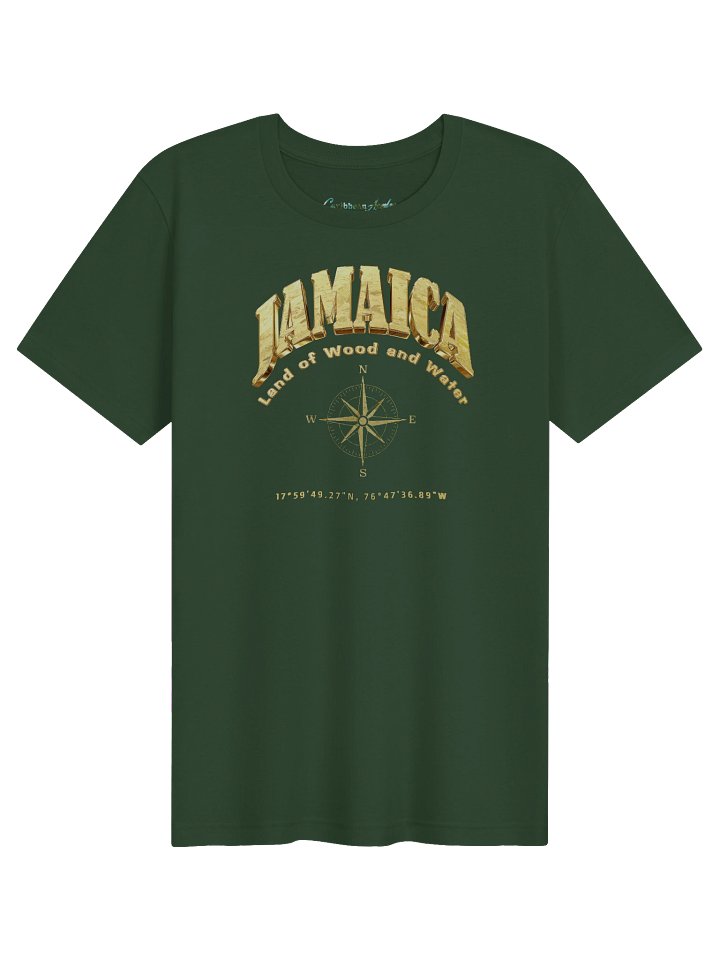
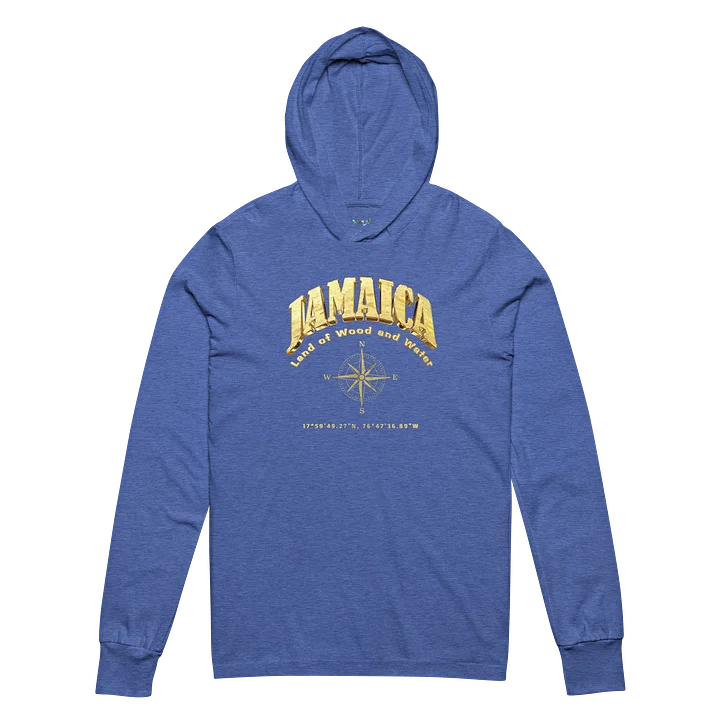
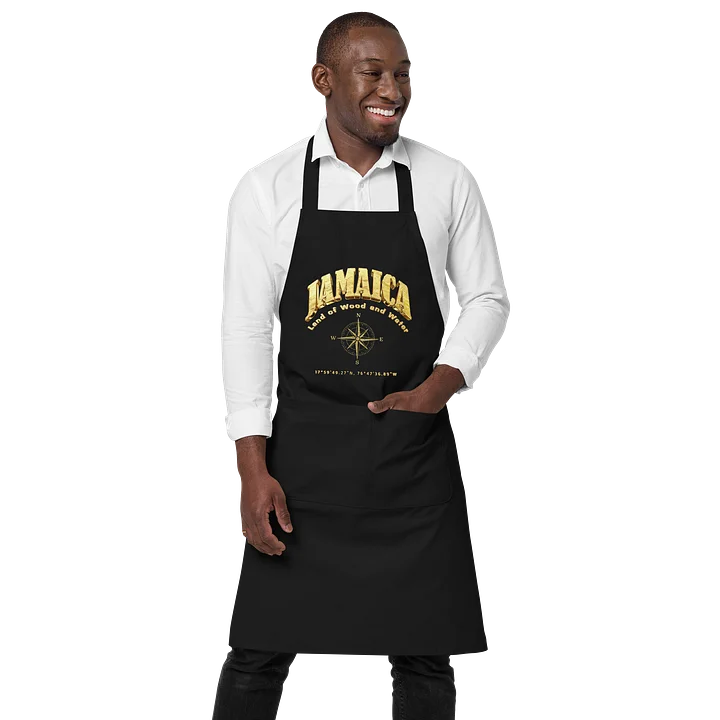
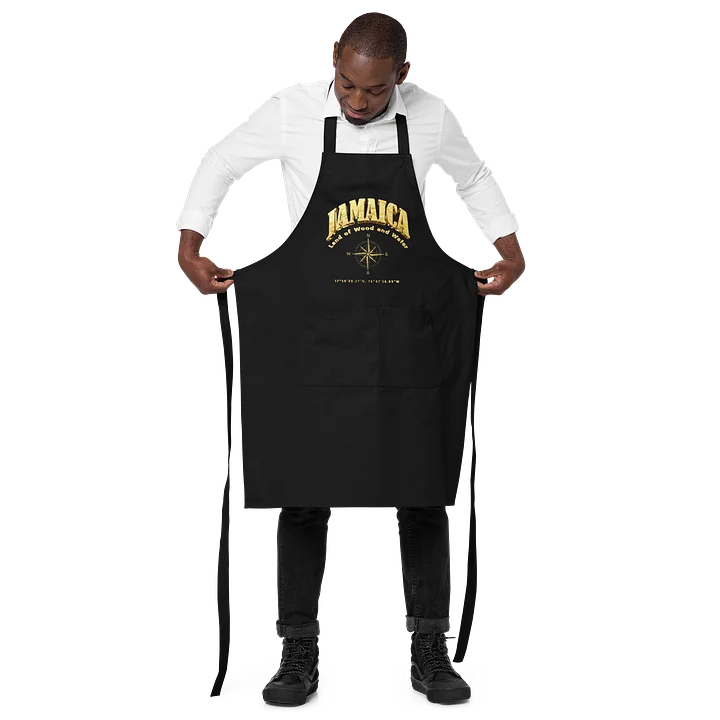
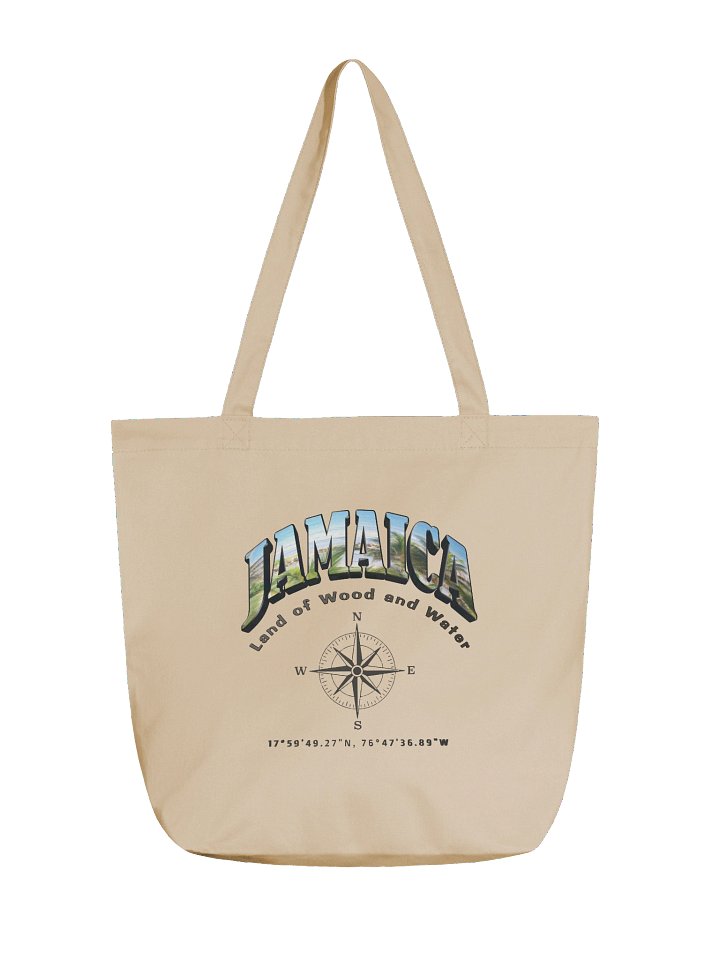
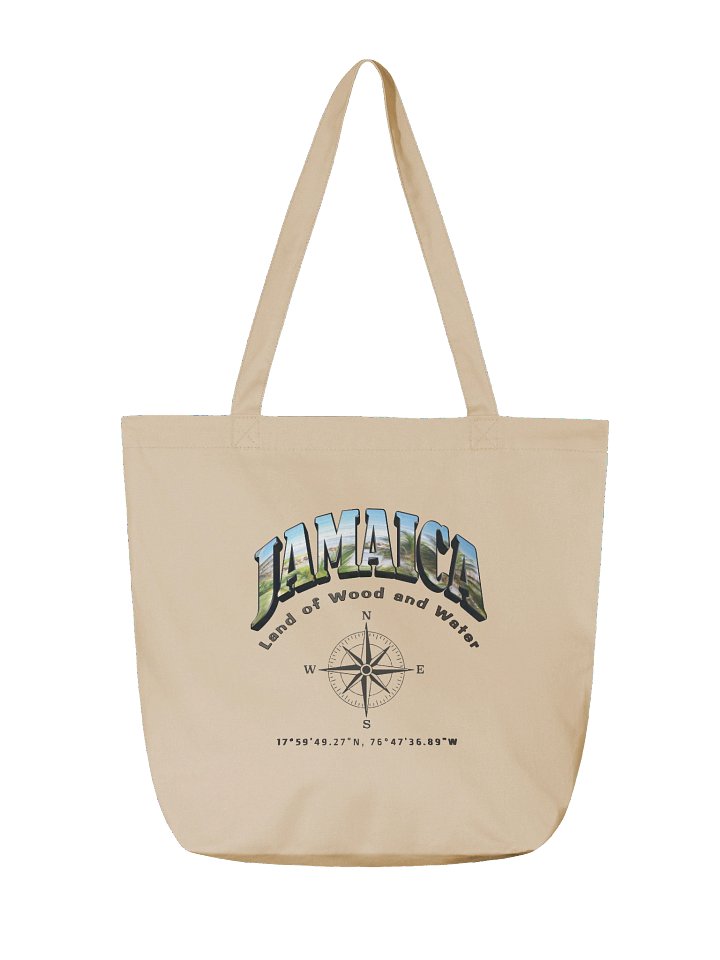
Xaymaca - Land of Wood and Water - National dish: Ackee and Saltfish
"More layers than most visitors ever peel back — and every one is worth finding."
🕐 When to visit
December to April for the absolute best weather — dry, warm, reliably sunny. November is the hidden secret: the weather turns excellent, prices are still low, and crowds haven't arrived yet. April brings Jamaica Carnival; May quiets down considerably. Avoid September and October for hurricane risk.
🍽 What to eat
Jerk chicken and pork — smoked low and slow over pimento wood; anything claiming to be "jerk" that isn't is lying Ackee and saltfish — the national dish; ackee is a fruit that looks and tastes like scrambled eggs Jamaican beef patty — golden flaky pastry, spiced filling, found at every bus stop Festival — a slightly sweet fried cornmeal dough, eaten alongside everything Escovitch fish — whole fried snapper marinated in vinegar with pickled vegetables
📍 Local food spots
Boston Bay Jerk Centre (Port Antonio) — the birthplace of jerk; pimento-wood pits, no menus, just point Scotchies (Montego Bay and Kingston) — the benchmark for accessible, authentic jerk; rustic open-air setting Pushcart Restaurant (Kingston) — Kingston's best local food in a converted pushcart-style setting Any Juici Patties location — the original Jamaican patty chain; don't be a snob about it
🏖 Best beaches
Seven Mile Beach (Negril) — the classic; long, flat, calm, lined with bars. Go early to dodge vendors. Frenchman's Cove (Port Antonio) — a freshwater stream flows into a sheltered turquoise cove; genuinely magical Winnifred Beach (Port Antonio) — free, local, no resort, authentic Jamaica Doctor's Cave Beach (Montego Bay) — legendary, well-maintained, excellent snorkeling
✦ Hidden gems
Blue Hole (Ocho Rios area) — jungle swimming holes, cliff jumps, rope swings; $25 entry, far better than Dunn's River Falls for those who want actual adventure Reach Falls (Portland) — jade-green water cascading through jungle caves; one of the most beautiful places in the entire Caribbean, often entirely uncrowded Floyd's Pelican Bar (south coast) — a hand-built wooden bar on a sandbank a half-mile out to sea; reach it only by small boat from Treasure Beach; cold beer, reggae, no address needed Port Antonio — the least-developed, most authentic corner of Jamaica; where the Blue Lagoon actually is, where jerk was born, where the pace drops to something genuinely unhurried
Travel Bits
The all-inclusive resorts in Montego Bay and Ocho Rios are comfortable and easy — and they'll also keep you from seeing 90% of what makes Jamaica worth visiting. Base yourself somewhere with a car. Rent a car. Drive east toward Portland..
Find the best accommodations in Jamaica
Zoom In To Map For Best Deals - Shop this island's collection
Ten lesser-known facts about Jamaica that most visitors never know.
You’ve had the jerk chicken, yes. You saw the Blue Mountains from afar. You dipped your feet in the sea. But there is so much more to the island. Here are ten things about Jamaica that might just make you fall in love with it even more.
01 Sport
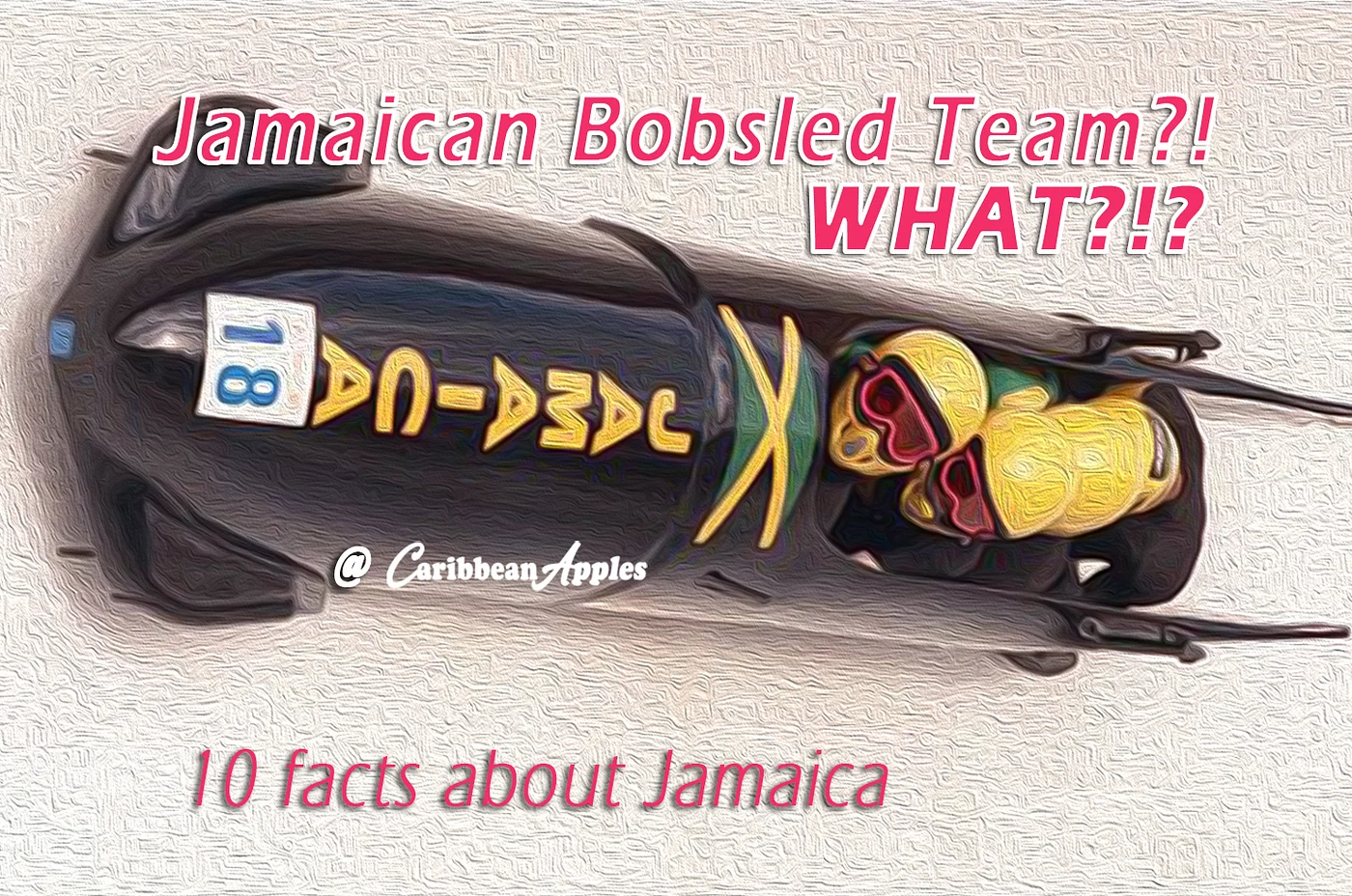
Jamaica has the only English-speaking bobsled team to ever terrify the Winter Olympics
You know the film, but the real story is richer. The Jamaican Bobsled Team first competed at the 1988 Calgary Winter Olympics, recruited largely from army sprinters. They crashed during competition — yet returned four years later and finished ahead of several countries that had been doing this for decades. A tropical island, no snow, no training facility — just sheer Jamaican stubbornness and spirit.
02 Nature
Jamaica has over 800 species of flowering plants found nowhere else on
People go for the beaches — and they leave never knowing that Jamaica is one of the most botanically rich islands in the Caribbean. With over 3,000 species of flowering plants, roughly 800 of them are endemic — meaning they grow here and absolutely nowhere else on the planet. The Cockpit Country alone is an ecological wonder that most tourists never venture into.
03 Food
Blue Mountain coffee is one of the rarest and most expensive in the world — and it grows right there
You may have seen the name on menus abroad, charging a small fortune. But, in the cool mist of those mountains that frame the Kingston skyline, Blue Mountain Coffee grows at altitudes above 900 metres in volcanic soil. The slow-growing beans — prized so highly that Japan imports the bulk of the crop — are available in small farms you can visit on a morning hike. The taste fresh from the source is something no airport shop can replicate.
04 History
The word "hurricane" itself was born from Caribbean indigenous language
The Taíno people — the original inhabitants of Jamaica before European colonization — called the great storms "Huracán," after their god of chaos and destruction. Spanish sailors borrowed the word, and it traveled into English. Every time there's a weather alert anywhere in the Atlantic basin, the world is speaking an indigenous Caribbean word. Jamaica's Taíno heritage is deeper than most people realize — from the word "canoe" to "barbecue," their language lives in ours.
05 Science
Jamaica has a glowing lagoon — and it is not a tourist trick
In the shallow waters of Luminous Lagoon in Falmouth, microscopic organisms called dinoflagellates produce a cool blue bioluminescent glow when disturbed. Drag your hand through the water at night and watch it light up around your fingers. Swim, and your whole body glows. This is a natural phenomenon, and Jamaica's lagoon is considered one of the most active bioluminescent bays in the world. It is genuinely magical — not a light show, not a filter.
06 Culture
Reggae music is now a UNESCO Intangible Cultural Heritage of Humanity
In 2018, UNESCO officially recognized Jamaican reggae music as an Intangible Cultural Heritage of Humanity — a designation shared with things like the Mediterranean diet and Mongolian traditional music. What started in the yards and recording studios of Kingston in the late 1960s became a global language of resistance, love, and spirituality. Bob Marley is the name the world knows, but roots run to Toots, Burning Spear, Culture, and countless others whose voices shaped a movement.
07 History
Jamaica was the first Caribbean island to have a railway — before the United States had one coast to coast
In 1845, Jamaica opened its first railway line — the first in the Western Hemisphere outside of the United States, and ahead of most of Latin America. It was initially built to transport sugar cane, but it tells you something about the ambition and economic scale of this island in its colonial heyday. The railway eventually fell into disuse, but the history of innovation here goes back much further than people imagine.
08 Food
The national dish is a fruit that is toxic if eaten at the wrong time
Ackee and saltfish — Jamaica’s national dish — is made from the ackee fruit, which was originally brought to Jamaica from West Africa. Here's the thing visitors don't know: ackee is poisonous if eaten before it has naturally opened on the tree. Unripe ackee contains hypoglycin A, which can cause a dangerous condition known as Jamaican vomiting sickness. Once the fruit opens and is properly prepared, however, it is creamy, nutty, and utterly delicious. The knowledge to cook it safely has been passed down through generations.
09 History
Limestone caves in Jamaica contain drawings made thousands of years ago by the Taíno
Beneath Jamaica's lush surface lies a vast network of limestone caves. Inside places like Nonsuch Caves in Portland and sites across the island, archaeologists have found ancient Taíno petroglyphs — carved and painted images made by the indigenous people who lived here long before Columbus arrived in 1494. These are not roped-off museum pieces; some are accessible to visitors. You can stand in a cave and look at a drawing made by human hands over a thousand years ago.
10 Sport
Jamaica has produced more world and Olympic sprint champions per capita than any other nation
Yes, you know Usain Bolt. But do you know Merlene Ottey, Donald Quarrie, Veronica Campbell-Brown, Shelly-Ann Fraser-Pryce? For a country of under three million people, Jamaica's dominance in global sprinting is statistically extraordinary. Scientists have studied the genetics, the yam-rich diets, the hard tracks, and the culture of competition — and still can't fully explain it.
CaribbeanApples.com