Image

CarubbeanApples.com

Try these recipes in your kitchen and you’ll come to understand the Barbadian way, where food isn't a prelude to the experience, food is the experience.

Barbados wears its culinary heritage proudly: African, British, Indian, and Portuguese influences braided together over four centuries into something that tastes entirely, unmistakably Bajan. The island is small—a brisk 21 miles long—but its table is vast. Here are ten dishes you should seek out, along with what goes into them and how to recreate a piece of the island once you're home and missing it.

1. Flying Fish & Cou-Cou

The National Dish

If Barbados had a coat of arms drawn in food, flying fish would be rampant on it. These silvery, finned creatures practically leap out of the island's waters—so central are they to Bajan identity that locals call Barbados "The Land of the Flying Fish." Served alongside cou-cou, a silky polenta-like cake made from cornmeal and okra, this dish is Sunday lunch, national pride, and rite of passage all at once. You may even find the best version at a roadside spot near Oistins, steamed and glistening, with a sauce that tasted like the sea had learned to cook.

For the Steamed Flying Fish:

  • 4 whole flying fish, cleaned and butterflied (or use small mackerel if unavailable)
  • Juice of 2 limes
  • 1 tsp salt, 1 tsp black pepper
  • 1 tsp ground allspice
  • 3 cloves garlic, minced
  • 1 tbsp fresh thyme leaves
  • 1 small onion, sliced
  • 2 stalks celery, sliced
  • 2 tbsp butter
  • ½ cup water or fish stock

For the Cou-Cou:

  • 2 cups fine yellow cornmeal
  • 12 okra pods, sliced into rounds
  • 4 cups water
  • 1 tsp salt
  • 2 tbsp butter
  • 1 small onion, finely diced

Method: Marinate fish in lime juice, salt, pepper, allspice, garlic, and thyme for at least 30 minutes. Lay sliced onion and celery in a shallow pan, place fish on top, dot with butter, add liquid, cover and steam on medium-low for 10–12 minutes.

For cou-cou, boil okra in salted water until very tender, reserve the liquid. Remove okra. Whisk cornmeal into the warm okra liquid over medium heat, stirring constantly with a wooden spoon. Fold in cooked okra, onion, and butter. Keep stirring until the mixture pulls from the sides of the pot—this is the meditative, arm-burning work that every Bajan grandmother does without complaint. Serve in a dome alongside the fish.

2. Pudding & Souse

Saturday's Ritual

Don't arrive on a Saturday without knowing where you're eating pudding and souse. This dish closes the week for thousands of Bajans the way a cold beer closes a long day—ritually, righteously, with relish. "Souse" is pickled pork—head, tongue, trotters—bathed in a bright brine of lime, cucumber, onion, and the hottest peppers the island grows. "Pudding" is sweet potato stuffed into a pork casing and steamed. The contrast between the vinegary cold meat and the warm, sweet pudding is one of those combinations that sounds wrong and tastes like revelation.

For the Souse:

  • 2 lbs pork (trotters, ears, or pork cheek), cleaned
  • Juice of 4 limes
  • 2 cucumbers, sliced thin
  • 1 large onion, sliced thin into rings
  • 4–6 hot peppers (Scotch bonnet or habanero), sliced
  • 2 tbsp fresh parsley, chopped
  • Salt and black pepper to taste
  • 2 cups water

For the Pudding:

  • 2 lbs sweet potato, grated
  • 1 cup dried breadcrumbs or flour
  • 2 tbsp butter, softened
  • 1 tsp ground allspice
  • 1 tsp ground cinnamon
  • ½ tsp salt
  • Pork or sausage casing, rinsed

Method: Boil pork in seasoned water until very tender, 1.5–2 hours. Drain and cool. Chop into pieces. Combine lime juice, water, cucumber, onion, peppers, parsley, and seasoning to make the pickle. Add pork, toss well, refrigerate at least 2 hours—overnight is better.

For pudding, combine grated sweet potato with all ingredients except casing. Pack tightly into prepared casings, tie off ends, and steam for 45 minutes to 1 hour until firm. Slice and serve warm beside the cold souse.

3. Macaroni Pie

The Island's Beloved Comfort

Every culture has its oven-baked pasta dish. Barbados has macaroni pie. Dense, firm enough to be cut into squares and lifted with a hand, golden on top, richly seasoned with mustard, pepper sauce, and sharp cheddar—this is not American mac and cheese. This is something sturdier, more serious, the kind of dish that anchors every Sunday plate and church picnic on the island.

Ingredients (serves 8–10):

  • 1 lb elbow macaroni, cooked al dente
  • 3 eggs, beaten
  • 1½ cups whole milk or evaporated milk
  • 2 cups sharp cheddar cheese, grated
  • 1 medium onion, finely diced
  • 2 stalks celery, finely diced
  • 2 tsp Dijon or yellow mustard
  • 1–2 tsp hot pepper sauce
  • ½ tsp black pepper
  • 1 tsp salt
  • 2 tbsp butter
  • Paprika for topping

Method: Sauté onion and celery in butter until soft. Mix cooked macaroni with sautéed vegetables, eggs, milk, most of the cheese, mustard, pepper sauce, salt, and pepper. Pour into a well-buttered baking dish. Top with remaining cheese and a generous dusting of paprika. Bake at 350°F for 45–50 minutes, until set firm and golden-topped. Cool for 15 minutes before cutting into squares. The pie should hold its shape.

4. Bajan Fish Cakes

The Cutter's Companion

Now—the cutter. A salt bread roll, soft inside with a slightly crusty shell, split and filled. And what fills it? A Bajan fish cake: a golden-fried fritter of salt fish, herbs, and hot pepper that is simultaneously snack, breakfast, lunch, and philosophical argument. Fish cakes are sold from rum shops, road stalls, and beachside vendors. They are eaten at dawn after a night out and at noon after a swim. They are the island's perfect food and they travel, lovingly, through time of day and occasion.

Ingredients (makes 16–18 cakes):

  • 1 lb salt fish (salted cod), soaked overnight and flaked
  • 1½ cups all-purpose flour
  • 1 tsp baking powder
  • 1 egg, beaten
  • ½ cup water
  • 1 small onion, finely diced
  • 3 green onions, sliced
  • 2 cloves garlic, minced
  • 1 Scotch bonnet pepper, seeded and minced
  • ½ cup fresh parsley, chopped
  • 1 tsp black pepper
  • Oil for deep frying

Method: Soak salt fish in cold water overnight, changing water once. Drain, boil briefly, drain again, and flake, discarding any skin and bones. Combine flour and baking powder. Mix in egg, water, onion, green onion, garlic, pepper, parsley, and black pepper. Fold in flaked fish. Batter should be thick enough to drop from a spoon. Heat oil to 350°F and fry spoonfuls until deep golden brown, about 3–4 minutes per side. Drain on paper and serve inside salt bread with pepper sauce.

5. Jug-Jug

The Christmas Dish

Jug-jug arrives every December. It’s origin is a story: when Scottish rebels were exiled to Barbados in the 1600s, they tried to make haggis. They found no oats, no sheep offal prepared quite right. So they substituted guinea corn (sorghum) and salted beef and created something entirely different—something that became Bajan. Today jug-jug is eaten at Christmas the way Brits eat plum pudding: as ritual, as memory, as obligation to the past.

Ingredients (serves 8):

  • 1 cup dried pigeon peas (or canned, drained)
  • 1 lb salted beef or salt pork, soaked and cubed
  • ½ lb lean fresh pork, cubed
  • 2 cups guinea corn flour (or fine millet flour or green banana flour)
  • 1 large onion, diced
  • 4 cloves garlic, minced
  • 2 green onions, sliced
  • 1 tsp dried thyme
  • 2 tbsp butter
  • 2 cups pork or chicken stock
  • Salt, black pepper, and hot pepper to taste

Method: Cook pigeon peas until tender. In a heavy pot, sauté onion, garlic, and green onion in butter. Add fresh pork and cook until browned. Add salted beef, pigeon peas, stock, and seasonings. Simmer 30 minutes. Gradually whisk in guinea corn flour, stirring constantly to prevent lumps, until thick and smooth—like a very dense porridge. Cook on lowest heat another 20 minutes, stirring frequently. It should be very thick and pull away from the pot sides. Serve in scoops, traditionally garnished with a sliver of butter.

6. Conkies

The Wrapped Gift of November

November 30 is Independence Day in Barbados, and with it comes conkies: sweet cornmeal dumplings studded with raisins, coconut, and spice, wrapped in banana leaves and steamed. Unwrapping a conkie is a small, fragrant ceremony. The leaf unfolds, releasing a cloud of sweet steam, and inside is something that tastes simultaneously of corn, coconut, pumpkin, and warmth. The banana leaf imparts a grassy, vegetal note that no baking pan can replicate. If you're visiting in November, find them. If you're visiting any other time, ask around—someone is almost always making them.

Ingredients (makes about 20):

  • 2 cups fine cornmeal
  • 1 cup flour
  • 1 cup grated coconut, fresh or dried
  • 1 cup grated sweet potato
  • 1 cup grated pumpkin
  • ½ cup brown sugar
  • 1 cup raisins
  • 1 tsp ground cinnamon
  • 1 tsp ground nutmeg
  • ½ tsp vanilla extract
  • 4 tbsp butter, melted
  • ½ cup whole milk (enough to make a thick batter)
  • Banana leaves, cut into 10-inch squares, softened over flame

Method: Mix all dry ingredients. Add grated sweet potato, pumpkin, and coconut. Stir in butter, vanilla, and enough milk to make a thick, moldable batter. Place 3–4 tablespoons onto each banana leaf square. Fold leaf over filling to form a parcel, fold ends under, and tie with kitchen twine or a strip of banana leaf. Steam tightly in a covered pot for 45 minutes to 1 hour. Cool slightly before unwrapping.

7. Pepperpot

The Ancient Stew

Not to be confused with the Guyanese pepperpot thickened with cassareep, the Bajan version is a rich, dark stew of whatever meat is available—typically beef, pork, and oxtail—simmered low and slow with sweet potatoes, herbs, and a generous pour of hot pepper. It's the kind of stew that improves on day two and three, deepening and darkening in the pot.

Ingredients (serves 6):

  • 2 lbs beef chuck or oxtail, cut into chunks
  • 1 lb pork shoulder, cubed
  • 1 lb sweet potato, peeled and cubed
  • 1 large onion, diced
  • 4 cloves garlic, minced
  • 2 stalks celery, sliced
  • 2 sprigs fresh thyme
  • 1–2 Scotch bonnet peppers, whole
  • 2 tbsp tomato paste
  • 2 tbsp browning sauce or Worcestershire
  • 3 cups beef stock or water
  • Salt and black pepper
  • 2 tbsp oil for browning

Method: Season meat generously with salt, pepper, and garlic. Brown in oil in batches in a heavy pot. Add onion, celery, and thyme and cook 5 minutes. Stir in tomato paste and browning sauce. Add stock, whole Scotch bonnet peppers (leaving them whole keeps heat manageable—pierce only if you want more), and bring to a boil. Reduce heat and simmer, covered, for 1.5 hours. Add sweet potato and cook another 30–40 minutes until everything is tender and the stew is thick and deep-colored.

8. Roti

The Indian Thread

Barbados has a sizable Indo-Caribbean community, and their contribution to the island's food is immeasurable. Roti—soft, flaky flatbread wrapped around curried fillings—is everywhere: in stand-up lunch spots, takeaway windows, and hole-in-the-wall shops that open at 11 and close when they're sold out, which is usually by 1 p.m. The filling might be curried chickpeas (channa), curried potato, or curried chicken. The bread itself is a dhalpuri—rolled thin, stuffed with ground split peas, folded and cooked on a hot tawa until speckled and soft. There is no more satisfying handheld meal on the island.

For the Dhalpuri Roti (makes 6):

  • 3 cups all-purpose flour
  • 1 tsp baking powder
  • ½ tsp salt
  • Water to form a soft dough
  • 1 cup dried yellow split peas, boiled soft and mashed
  • 1 tsp ground cumin, 1 tsp ground turmeric
  • Oil for cooking

For Curried Chickpea Filling:

  • 2 cans chickpeas, drained
  • 1 large onion, diced
  • 4 cloves garlic, minced
  • 1 tbsp fresh ginger, grated
  • 2 tbsp Bajan or Caribbean curry powder
  • 1 Scotch bonnet pepper, minced
  • 1 can diced tomatoes
  • 2 tbsp oil
  • Salt to taste

Method: For the roti, combine split peas with cumin and turmeric. Mix flour, baking powder, and salt; add water gradually to form a smooth, rested dough (30 minutes). Divide into balls. Flatten each, add a spoonful of split pea mixture, seal and roll flat. Cook on a lightly oiled hot tawa or griddle, pressing with a cloth, until speckled on both sides.

For filling, sauté onion, garlic, ginger, and pepper in oil. Add curry powder and stir 1 minute. Add chickpeas, tomatoes, and salt. Cook 20 minutes until thick and fragrant. Wrap in roti and fold into a parcel.

9. Rum Punch

The Liquid Dish

In Barbados you can’t omit rum punch. rum punch is not a cocktail. It is a nutritional group. It is served at breakfast, lunch, dinner, and between all three. The island follows a rhyme—attributed, some say, to the earliest rum traders—that goes: One of sour, two of sweet, three of strong, four of weak. Lime, sugar syrup, dark rum, water. A grating of nutmeg on top. That's it. That's all it is. And yet, made with Barbados rum—Mount Gay is the oldest brand in the world, established in 1703—it is one of the most perfectly calibrated drinks you will encounter anywhere.

Ingredients (serves 4):

  • 2 oz fresh lime juice (one of sour)
  • 4 oz simple syrup or sugar syrup (two of sweet)
  • 6 oz Barbadian dark rum—Mount Gay or Cockspur (three of strong)
  • 8 oz cold water (four of weak)
  • Dash of Angostura bitters per glass
  • Freshly grated nutmeg for garnish
  • Ice

Method: This is the rare recipe where the method truly matters less than the ratio. Combine lime, syrup, rum, and water. Stir well over ice. Strain into ice-filled glasses. Add a dash of bitters. Grate fresh nutmeg generously over the top—this is non-negotiable, not decorative. Drink slowly. Repeat the rhyme. Respect the rhyme.

10. Black Cake

The Dark Treasure

Black cake is Barbadian Christmas in a tin. A dense, almost black fruitcake soaked in dark rum and cherry brandy for weeks—sometimes months—before baking, then brushed with more rum afterward, then wrapped and aged again. The fruits are soaked until they disintegrate into the batter, leaving behind only their dark juice and sweetness. Every family has their recipe, their preferred rum, their soaking time. Black cake is given as a gift, sent overseas to relatives in England and Canada, and brought out at Christmas lunch as the crowning act of the island's most important meal.

Ingredients (makes 2 loaf-sized cakes):

Fruit Soak (start 2 weeks to 6 months ahead):

  • ½ lb prunes, chopped
  • ½ lb raisins
  • ½ lb currants
  • ¼ lb mixed peel
  • ¼ lb glacé cherries
  • 1 cup dark rum (Barbadian)
  • 1 cup cherry brandy or port

Cake Batter:

  • 1½ cups all-purpose flour
  • 1 tsp baking powder
  • 1 tsp mixed spice (allspice, cinnamon, nutmeg, clove)
  • 1 cup unsalted butter, softened
  • 1 cup dark brown sugar
  • 4 eggs
  • 1–2 tbsp browning sauce (for color)
  • ½ cup additional dark rum for brushing after baking

Method: Combine all soaking fruits in a sealed jar with rum and brandy. The longer they soak, the better—two weeks minimum, six months ideal. Blend or food-process soaked fruit into a rough paste.

Cream butter and sugar until light. Add eggs one at a time. Fold in flour, baking powder, and spice. Add fruit paste and enough browning sauce to turn the batter very dark—nearly black. The batter will be thick and dense.

Bake in lined, greased tins at 325°F for 60–75 minutes, until a skewer comes out mostly clean. While still warm, brush generously with rum. Wrap tightly and store. Brush with more rum every few days. Slice thin—this is concentrated, potent, magnificent cake and a little goes a long way, until suddenly it doesn't.

_________

From the lime brightness of souse, the dense sweetness of conkie unfolding from its leaf, the slow smoke of black cake, the clean kick of rum punch with fresh nutmeg floating on top, Barbados feeds you until you belong to it a little. Try these great recipes in your own kitchen and bring out the Caribbean chef.

CarubbeanApples.com

Image

Caribbean Apples Dispatches - North Leeward Coast 

A Fruit With A Complicated Past

The story begins properly in 1793, when Captain William Bligh — of Mutiny on the Bounty notoriety — completed his second Pacific voyage aboard HMS Providence and delivered breadfruit plants from Tahiti to the West Indies. The purpose was grimly utilitarian: plantation owners required a cheap, prolific food to sustain enslaved workers. Breadfruit asked little of the soil and gave generously in return. It spread quickly, became ubiquitous, and for that very reason carried a stigma long after emancipation. It was the food of people with no choice in the matter.

What followed is a story of remarkable transformation. Vincentian cooks, across generations, took this imposed crop and worked it into something magnificent — roasted over coal pots, fried to golden crispness, stewed with saltfish, pressed into pastry. They invented a cuisine from the ingredients of hardship.

Today, the Breadfruit Festival is held each August, deliberately aligned with Emancipation Month. The pairing is intentional and eloquent. This fruit, once the ration of the enslaved, is now the centerpiece of a national celebration.

The Festival Itself: August on the North Leeward Coast

The Breadfruit Festival is not contained to a single afternoon. Throughout August, events move between communities along St. Vincent's North Leeward coast — the wilder, less-traveled side of the island, where fishing villages meet the sea and the mountains press close behind them.

Imagine a community gathering that can only be described as a village reunion with exceptional food. The road had been given over to trestle tables draped in green and yellow. A steel pan band warmed up at one end, their notes drifting pleasantly out over the water.

The vendors are the soul of the occasion. A warm, golden-crusted breadfruit cheese pie — savory, gently spiced and made to a thirty-year-old recipe. Breadfruit puffs, deep-fried and pillowy. There’s breadfruit lasagna and breadfruit pizza with a dense, authoritative crust. Children moving through the crowd clutching cups of breadfruit candy. A chilled breadfruit punch, subtly sweet and faintly floral.

Food fair presentations circulate to different communities throughout the month, each bringing its own recipes and traditions. Small exhibitions explain the plant's broader uses — the dense, water-resistant wood for building and boat-making, the sap for medicine, the great architectural leaves in local craft and art. The breadfruit, one comes to understand, is not merely a foodstuff. It is a material, a remedy, a symbol.

Music, Drumming, and the Culture of Celebration

By afternoon, the steel pan yields the stage to a calypsonian, the crowd singing along with the fluency of people who have known these words since childhood. Drumming came later — deep, insistent, the kind that arranges itself in one's chest before one is quite aware of it.

Hotels and restaurants across the island are encouraged to feature breadfruit on their menus for the duration of August. The festival, in this way, is not confined to the North Leeward gatherings — it spreads across the island's food culture for the entire month. Wherever one dines in August in St. Vincent, the breadfruit will find you.

6 Facts About Breadfruit in St. Vincent and the Grenadines

01

Over 25 varieties grow in SVG.

St. Vincent and the Grenadines cultivates more than 25 distinct varieties of breadfruit, a testament to centuries of agricultural entrenchment since the fruit's introduction.

02

It is the national dish.

Roasted breadfruit with fried jackfish is the official national dish — found on tables from upscale Kingstown restaurants to roadside stalls on the outer Grenadines.

03

Captain Bligh delivered it in 1793.

After the famous mutiny derailed his first attempt, Bligh succeeded on his second voyage, bringing breadfruit from the Pacific to the West Indies aboard HMS Providence.

04

It arrived as food for the enslaved.

Breadfruit was introduced as a low-cost crop to feed plantation workers. Its very abundance made it, for generations, a food associated with poverty — until Vincentian cooks transformed its reputation entirely.

05

It is remarkably versatile.

Depending on ripeness, breadfruit may be roasted, fried, boiled, baked, steamed, pickled, mashed, or fermented. At the festival it appears as pie, pizza, lasagna, quiche, candy, and cold drinks.

06

The whole plant has uses.

The wood has served in construction and boat-building. The sap has medicinal applications. The large leaves appear in local art and craft. Festival exhibitions present breadfruit as a complete resource, not merely a crop.

Traveler’s Notes

The Breadfruit Festival runs throughout August, with gatherings across the North Leeward communities and food presentations at various points around the island. The Ministry of Tourism, Sports and Culture may be reached at (784) 451-2180 or culturesvg@gmail.com for details.

CaribbeanApples.com

Image

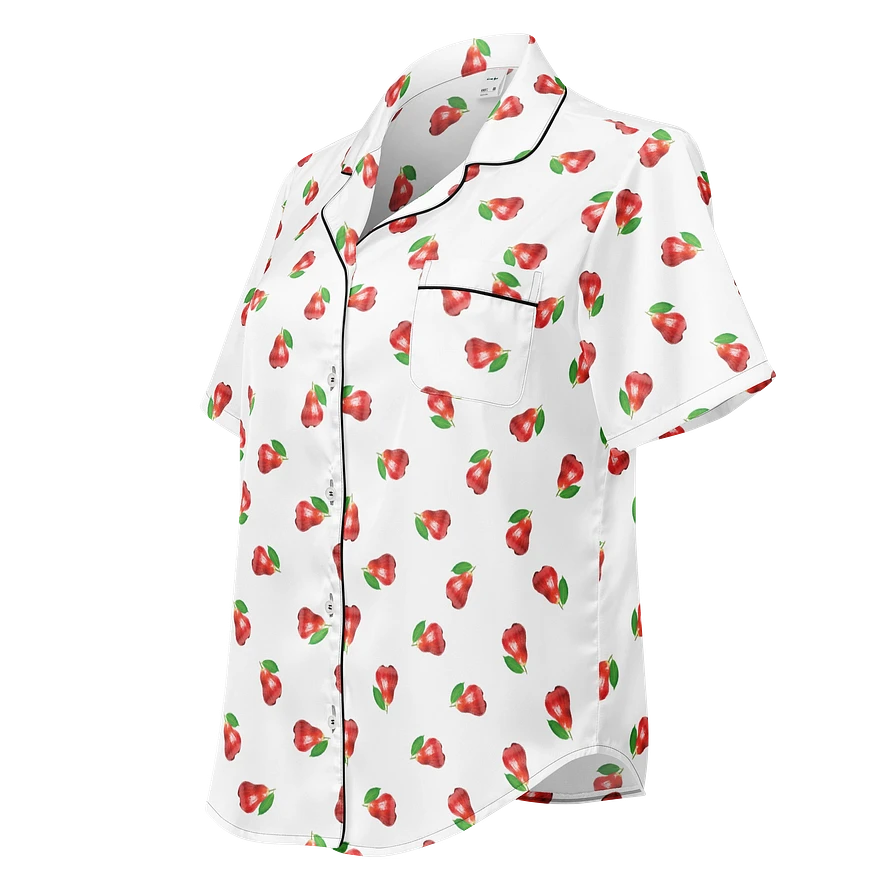
Usually visitors to the Caribbean walk right past one of the most traveled fruits in the entire world — blushing red on a roadside tree, or piled high in a local market — without ever realizing they were looking at something that began its journey thousands of miles away and carries a different name on almost every island it calls home.


Let me introduce you properly. The fruit in question is Syzygium malaccense — the Malay Apple. Scientifically speaking, it is a species of flowering tree whose exact origin points most likely to the rainforests of Malaysia, Java, and Sumatra. But this is no stay-at-home plant. Carried by the Austronesian people when they traveled to new islands as a "canoe plant" — one of the precious few species they brought with them wherever they sailed — it is now cultivated and naturalized in tropical countries from the Pacific Islands to the Atlantic coast of South America.

The fruit is oblong, waxy, and deeply red (sometimes pink or white), roughly the size of a small pear. Bite into it and you find crisp white flesh, mildly sweet with floral notes, faintly refreshing like a cross between an apple and a cucumber. What it lacks in intense sweetness it more than makes up for in character, in culture, and above all — in names.

"Every name this fruit carries is a passport stamp — the record of a journey that no other tropical fruit can quite match."


Where it all began

The tree is native to what botanists call the Indo-Malayan region — Malaysia, Indonesia (Sumatra and Java), Vietnam, Thailand, and extending through New Guinea to northern Australia. From there, the Austronesian peoples spread it deliberately across Oceania as one of their essential "canoe plants," the living cargo they carried to sustain new settlements. In modern times, colonial trade routes and botanical gardens carried it further still — into the Caribbean, Latin America, Africa, and beyond.


The Caribbean Islands — and What It's Called Where

The thing that strikes visitors is how differently islanders speak about the same fruit. What a Jamaican tour guide calls by one name, a hostess in Martinique will call something entirely different.

Trinidad & Tobago

Pomerac

This is the name closest to the French original. In Trinidad and Tobago, the pomerac is woven into the culture as completely as doubles or Carnival. You will find it made into juice, jam, and the irresistible pomerac chow — the fruit cut up and seasoned with pepper, salt, shadow beni, and lime — sold from roadside stalls. The name derives from the French pomme Malac, meaning "Malaysian apple," a linguistic relic of French colonial presence in the Caribbean. Every Trinidadian has a memory attached to this fruit. Tags: Pomerac Pommerac

Jamaica

Otaheite Apple / Jamaican Apple

Jamaica received the Malay Apple in 1793 — brought from the Society Islands (Tahiti was then called Otaheite by Europeans, hence the name). Jamaicans call it the Otaheite Apple or simply the Jamaican Apple, and the variety developed here has become something of a local legend. The 'Kingston' cultivar, originating from Jamaica, produces dark-red fruits that can weigh over a pound — extraordinarily large for this species — and is prized for its superior eating quality. In Jamaica the fruit is also used to make wine, a tradition that speaks to how deeply it has been adopted into island culture. Tags: Otaheite Apple Jamaican Apple

Barbados

Golden Apple

Barbadians have their own affectionate name for it — golden apple — and have made it the base of a beloved golden apple juice that visitors are strongly encouraged to try. It is more than just a beverage; it is described as a genuine cultural experience, with a flavor that is subtly sweet and mildly tart, embodying the spirit of the island in every sip. Do not confuse this with the unrelated golden apple fruit (Spondias); in Barbados, this name firmly belongs to the Malay Apple. Tags: Golden Apple

Guadeloupe & Martinique (French Antilles)

Pomme Malacca / Malaka

The French-speaking islands retain the most direct linguistic connection to the fruit's geography. In Guadeloupe, locals call it pomme malacca or simply malaka — an open homage to Malacca, the Malaysian city for which the tree is named. In Martinique, the same tradition holds. The tree arrived in the Lesser Antilles during the 19th century, spreading from Jamaica, and took firm root in the Francophone islands where it is eaten fresh and admired as one of the most visually beautiful trees of the Myrtaceae family — its fuchsia flowers described as small pom-poms or bright fireworks against tropical green. Tags: Pomme Malacca Malaka Jambose Rouge

Puerto Rico | St. Vincent and the Grenadines

Pomarrosa / Plum Rose

Puerto Ricans know it as pomarrosa — literally "rose apple" in Spanish — and the island has a notable tradition of making wine from the fruit. The pomarrosa appears at local markets and in home gardens, and the name is understood across the Spanish-speaking Caribbean and Latin America. In St. Vincent and the Grenadines, a windward island, it is also widely called plum rose. Tags: Pomarrosa Plum Rose

Dominican Republic & Cuba

Pomarrosa / Manzana de Agua

Across Hispaniola and Cuba, the Spanish tradition of calling it pomarrosa prevails, though manzana de agua — water apple — is also heard, a name shared with neighbors in Central America. The fruit grows throughout both islands and is found in local markets alongside more commercially familiar tropical fruits. Tags: Pomarrosa Manzana de Agua

St. Lucia, Grenada & the Windward Islands

Rose Apple / Pommerac

The Windward Islands, with their mix of English and French Creole heritage, tend to use both "rose apple" and "pommerac" interchangeably — a reflection of their layered colonial history. In St. Lucia and Grenada, where French and English cultures have long overlapped, you may hear either name depending on which village you are in and which generation is doing the talking. The fruit is common in kitchen gardens and hedgerows throughout these islands. Tags: Rose Apple Pommerac

Suriname & Guyana

Mountain Apple / Water Apple

In the Guianas, "mountain apple" is common, as is "water apple" — names reflecting English colonial heritage. Guyana has its own culinary tradition with the fruit: the dark-red skin is cooked down to make a sweet syrup, demonstrating how deeply practical Caribbean cooks can be with a fruit that elsewhere might be eaten only fresh off the tree. Tags: Mountain Apple Water Apple

Haiti

Pomme d'Amour

Haiti offers perhaps the most poetic name of all — pomme d'amour, or "love apple." It is a name with a gentle, almost mythological warmth, and it perfectly captures the way this fruit is regarded throughout the Caribbean: not as a commodity, but as something personal, something tied to memory and place and feeling. The Haitian name is heard also in French Guiana, where the same romantic designation has taken hold. Tags: Pomme d'Amour


The Pacific & Southeast Asia - Where the Journey Began

To truly appreciate this fruit's story, you must follow it back along the canoe routes of the Austronesian peoples — east across the Pacific, all the way to Hawaii.

Hawaii, USA

'Ōhi'a 'ai & Mountain Apple

The Polynesians brought this tree to the Hawaiian Islands between 1,000 and 1,700 years ago. Hawaiians called it 'ōhi'a 'ai — a name that carries deep cultural and spiritual weight. It provided fruit, wood for carving, offerings, and decoration. Today it is also known as mountain apple, and the fruit is eaten fresh, as it would have been by the original voyagers who carried it across the ocean.

Malaysia & Indonesia

Jambu Merah & Jambu Bol

At its origin, the fruit is known in Malaysian as jambu merah — "red guava" — and in Indonesian as jambu bol, meaning "ball guava." In Indonesia, the flowers of the tree are eaten in salads, a culinary use not found elsewhere, and one that reflects how comprehensively this plant has been integrated into the culture of its homeland.

Marquesas Islands

Kehi'a

Among the Marquesan people of French Polynesia, the fruit is known as kehi'a — a name that traces the Austronesian migration route across the Pacific and provides linguistic evidence of just how ancient the relationship between this people and this plant truly is.

Micronesia / Pohnpei

Apel en Pohnpei

On the island of Pohnpei in Micronesia, the tree is called apel en Pohnpei — literally "the apple of Pohnpei" — a name that speaks to how thoroughly the Polynesians and Micronesians adopted it as their own, giving it the status of a native fruit even though it was deliberately introduced by seafaring ancestors.

Philippines

Malay Apple

The Philippines, sharing Southeast Asian roots with the tree's homeland, knows it as the Malay Apple — a name that acknowledges the fruit's origins while distinguishing it from related species. A large-fruited sweet variety was introduced from Hawaii to the Philippines in 1922, demonstrating that even within the fruit's distribution range, cultivar exchanges continue to this day.

Sri Lanka & India

Malay Apple

In South Asia, where the tree was introduced from Southeast Asia, it is broadly known as Malay Apple, a name that preserves the geographical memory of its origins. The tree grows in Sri Lanka and in the northeastern regions of India, where it has been incorporated into gardens and homesteads for generations.

The Americas - Beyond the Caribbean

Costa Rica & Central America

Manzana de Agua

Costa Ricans and much of Central America call it manzana de agua — water apple — a name that nods to the fruit's high moisture content and crisp, refreshing flesh. The tree grows throughout the region and is found in both home gardens and secondary forests.

Venezuela & Colombia

Pomarrosa

The Spanish-language pomarrosa follows the fruit through Venezuela and into Colombia. In Venezuela it appears in local markets and is included in regional food plant databases as a culturally recognized species. The name unites the Spanish-speaking tropics of the Americas under a single designation.

French Guiana

Pomme d'Amour

Sharing Haiti's romantic name, French Guiana calls it pomme d'amour — love apple. The French Guianese connection to the Caribbean Francophone world is evident in this shared poetic designation, even though French Guiana sits on the South American mainland.

Pacific Islands - Across Oceania

Samoa & Tonga

Mountain Apple

Throughout Polynesia, "mountain apple" is the common English-language name, though local Polynesian names vary by island group. The fruit has been part of Pacific Island life since the original Austronesian settlement, making it one of the oldest introduced food plants in the region.

Fiji & Vanuatu

Malay Apple

Fiji and Vanuatu know it as the Malay Apple, maintaining the English name that traces its heritage to Malaysia. In Vanuatu, native fruit flies are known to attack the tree — one of the very few pests to target it, since it is otherwise remarkably resistant to disease throughout its global range.


"You can chart the movement of entire civilizations simply by tracking what this fruit is called and where."

A Traveler's Checklist

For the adventurous traveler, here is a quick reference — the fruit by name and island, so you know exactly what to ask for at the market:

Trinidad & Tobago → Pomerac

Jamaica → Otaheite Apple

Barbados → Golden Apple

Haiti → Pomme d'Amour

Guadeloupe → Pomme Malacca / Malaka

Martinique → Pomme Malacca

Puerto Rico → Pomarrosa

St. Vincent & the Grenadines → Plum Rose

Dominican Republic / Cuba → Pomarrosa

Grenada / St. Lucia → Rose Apple / Pommerac

Guyana / Suriname → Mountain Apple

Hawaii → 'Ōhi'a 'ai / Mountain Apple

Malaysia → Jambu Merah

Indonesia → Jambu Bol

Marquesas → Kehi'a

Micronesia → Apel en Pohnpei

Costa Rica / Central America → Manzana de Agua

Venezuela / Colombia → Pomarrosa

French Guiana → Pomme d'Amour

Philippines / Sri Lanka / India → Malay Apple 


The next time you are wandering a Caribbean market and spot a glistening dark-red fruit piled in a basket near the entrance, pick one up. Ask the vendor what it is called here. Listen carefully. Then think about the Austronesian sailor who packed a seedling into a canoe a thousand years ago, the botanist who catalogued it in Malaysia, the plantation gardener in Jamaica in 1793, the Trinidadian grandmother pressing it into chow, the Hawaiian elder who knows it by a name older than any European presence in the Pacific.

You are not just holding a fruit. You are holding a map.


SHOP CaribbeanApples.com

— CaribbeanApples.com